Negro Leagues Museum Honors Black Baseball History in Kansas City
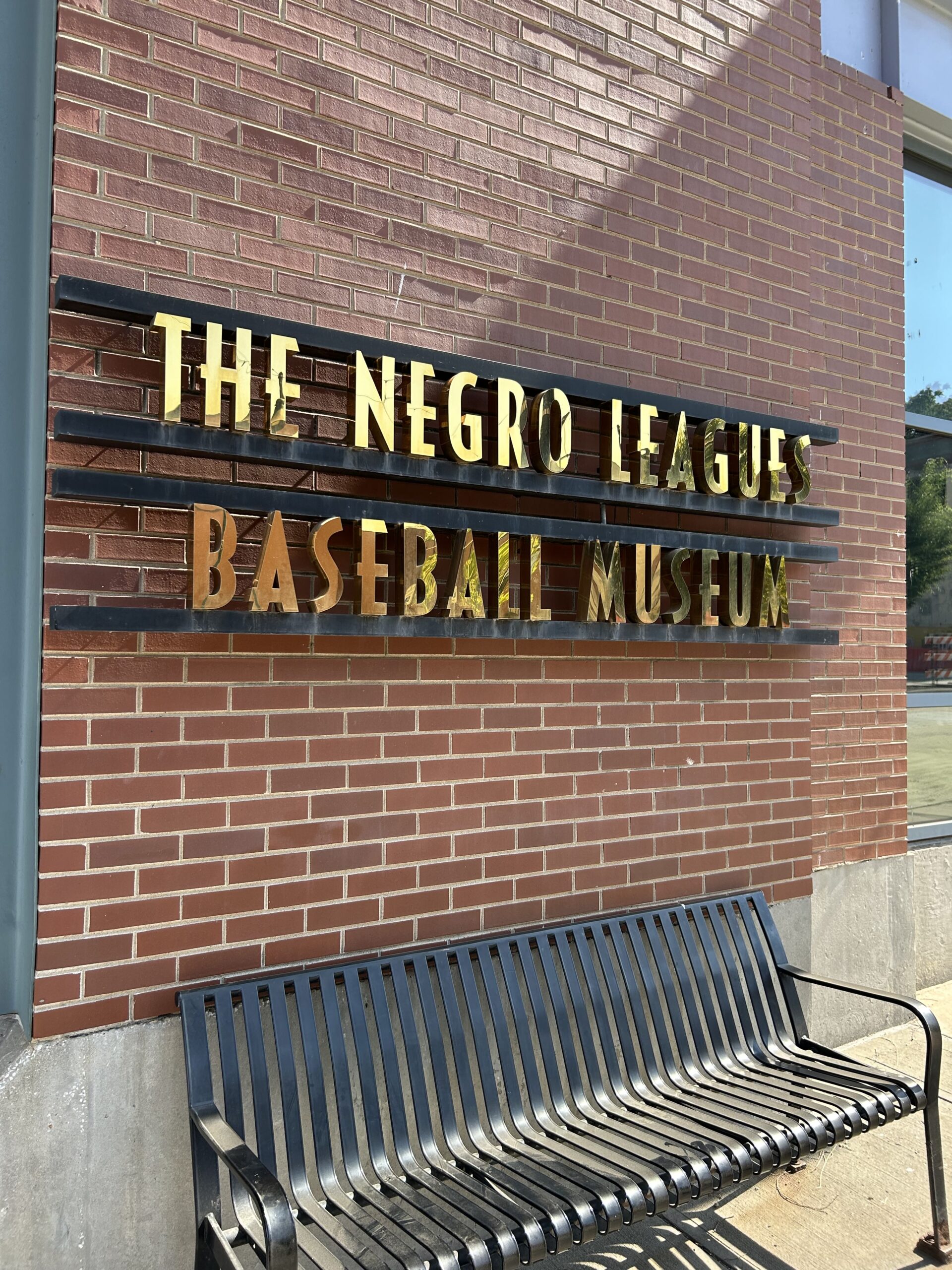
If you’re a baseball fan, there’s a good chance you’ve watched Ken Burns’ acclaimed documentary Baseball, which aired on PBS stations nationwide in 1994. One of the standout voices in that series was John “Buck” O’Neil, a legendary figure from the Negro Leagues. If you’re a fan of Buck, then you’ll be a fan of the Negro Leagues Museum Kansas City.
O’Neil played a pivotal role in preserving and sharing the history of the Negro Leagues, which operated from 1920 into the 1960s, with their peak years occurring before Major League Baseball was integrated in 1947.
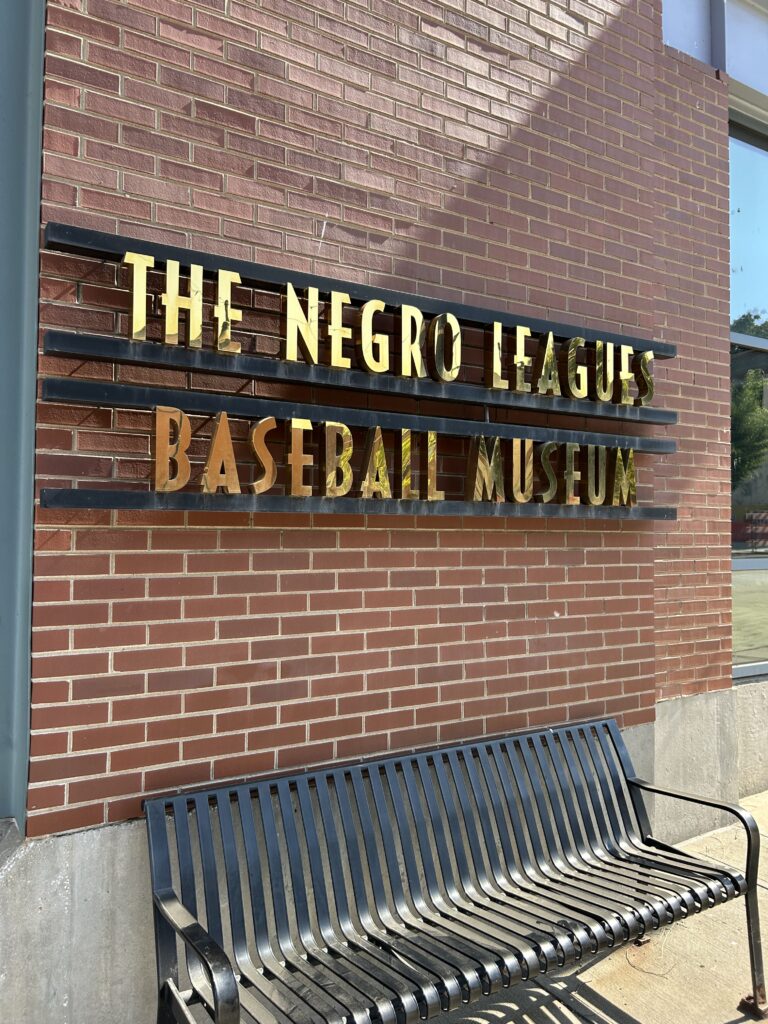
History of Negro Leagues Museum Kansas City
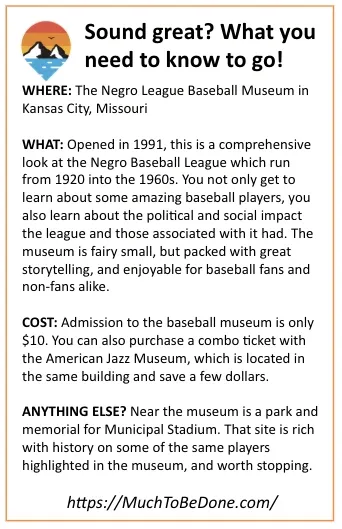
To dive deeper into this rich history, we visited Kansas City, home to the Negro Leagues Baseball Museum. Originally opened in 1991 as a one-room exhibit, the Negro Leagues museum has grown into a must-visit destination for baseball enthusiasts and anyone interested in the intersection of sports and civil rights in America. Since 1997, the museum has occupied a 10,000-square-foot space in the historic 18th & Vine Jazz District, sharing a building with the American Jazz Museum, which offers discounted combo tickets.
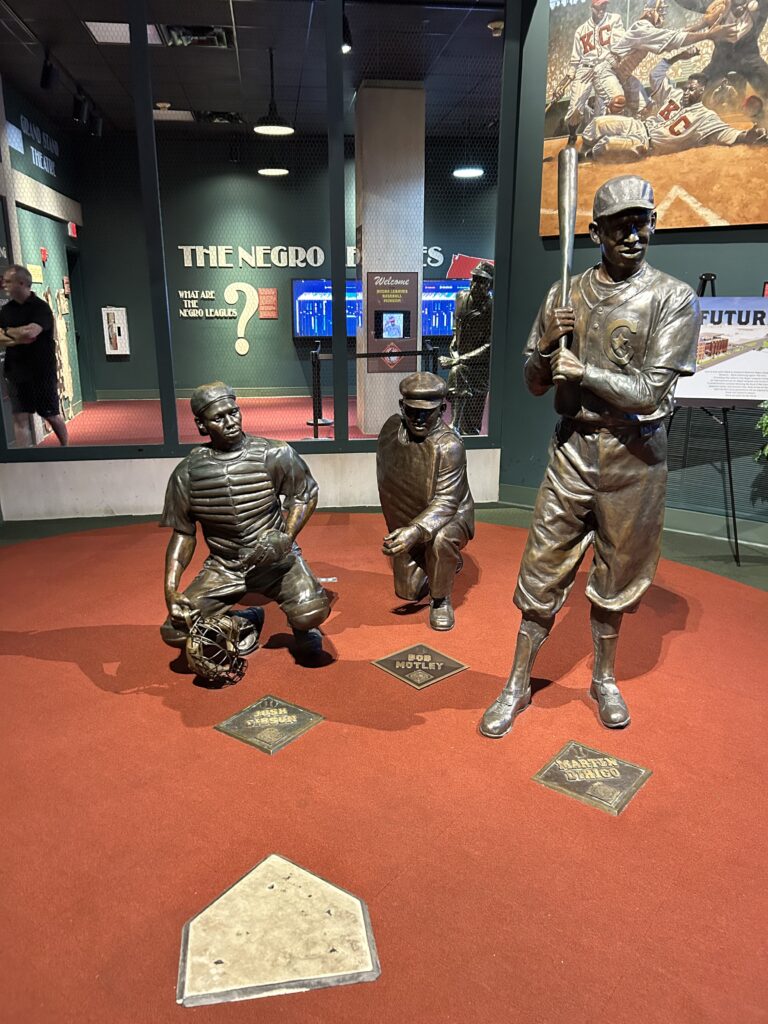
The Field of Legends
The museum’s centerpiece is the Field of Legends, a stunning display of 10 life-size bronze statues of Negro League greats arranged in a baseball diamond. On the mound is Satchel Paige, pitching to Josh Gibson behind the plate. Martin Dihigo stands at bat, while Buck Leonard, Pop Lloyd, Judy Johnson, and Ray Dandridge cover the infield. The outfield features Cool Papa Bell, Oscar Charleston, and Leon Day. These players represent the elite of the Negro Leagues—and of baseball history.
Honoring Jackie Robinson
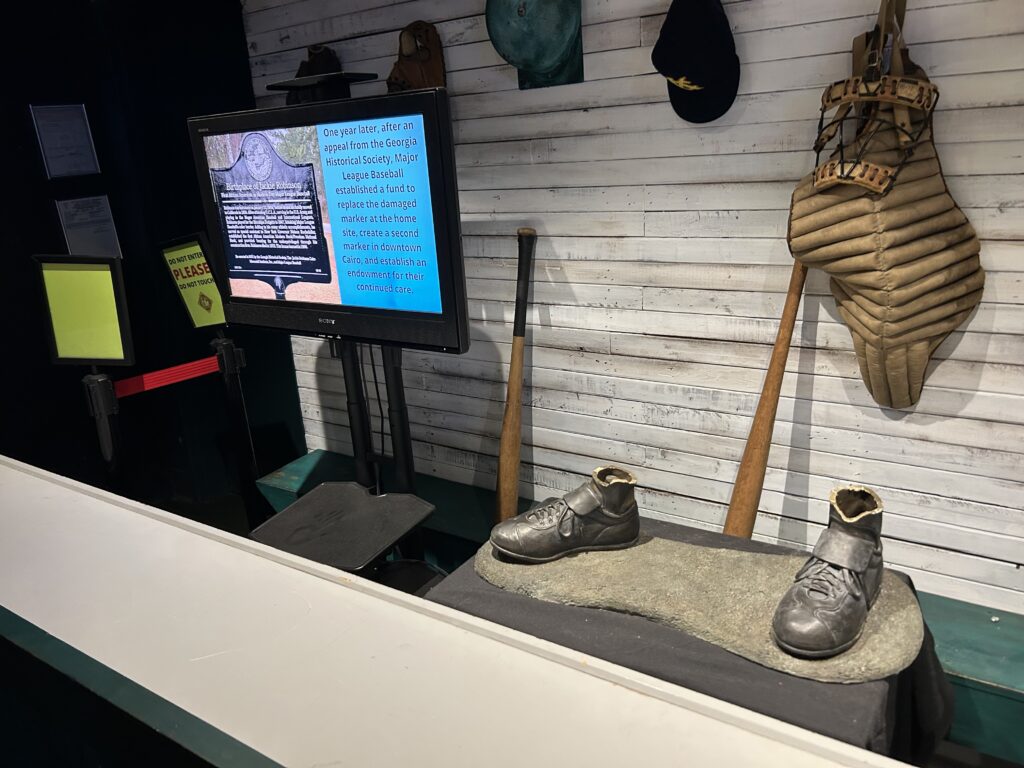
A powerful Jackie Robinson exhibit highlights his role in breaking baseball’s color barrier. The Barrier Breakers exhibit focuses not just on Robinson’s athletic achievements but also on the racism he endured. One particularly moving artifact is the defaced hometown marker for Robinson, alongside the stump of a statue that was vandalized in Wichita, Kansas in 2024.
Preserving Negro League History
Negro League history was long overlooked until Ken Burns’ documentary brought it to a wider audience. The museum continues that storytelling legacy for black baseball history, offering insights into the league’s teams, cities, players, and its profound impact on the Black community.
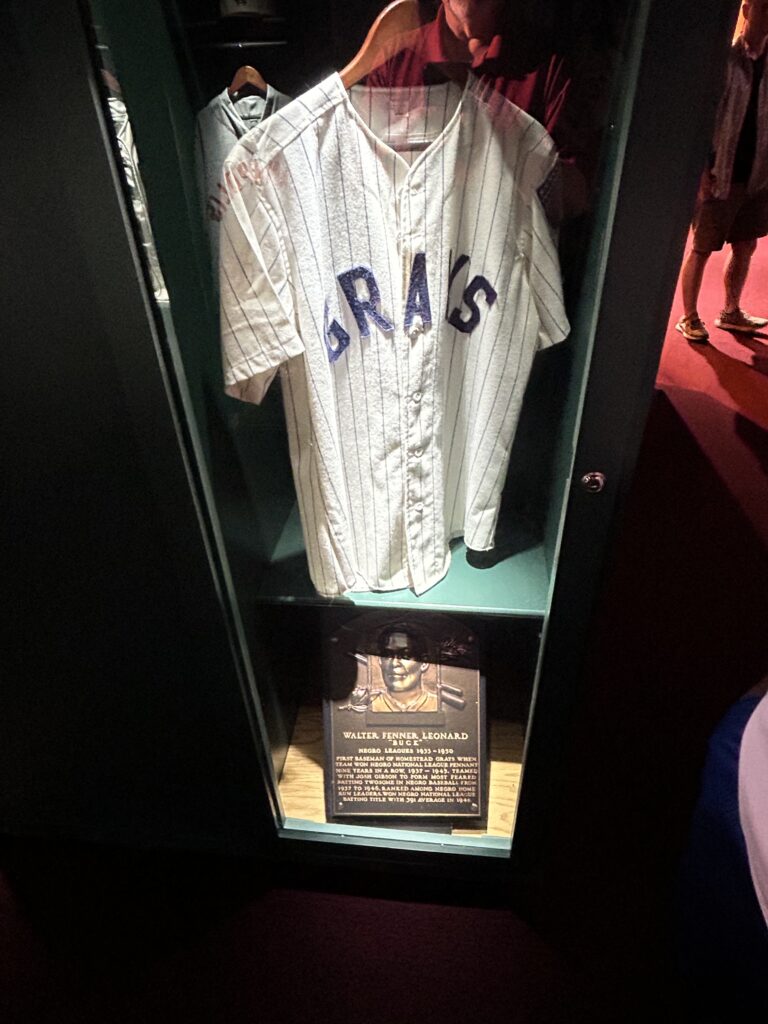
The caliber of play in the Negro Leagues was exceptional, especially before MLB integration. This is evident in the number of Negro League players inducted into the National Baseball Hall of Fame in Cooperstown, New York. The museum’s Hall of Fame Locker Room exhibit honors the 37 enshrined players, showcasing replica jerseys and memorabilia from their careers.
Planning Your Visit
The museum is open Tuesday through Saturday from 10 a.m. to 5 p.m., and Sunday from 12 p.m. to 5 p.m. It is closed on Mondays. Admission is just $10, with discounts for children and seniors. Combo tickets with the American Jazz Museum offer additional savings. While we found free street parking by chance, designated museum parking is available—check the map for details.
Don’t miss the gift shop, which features unique jerseys and memorabilia celebrating the Negro Leagues
Bonus Stop: Municipal Stadium Memorial
Just blocks away is the site of Municipal Stadium Kansas City, located at 22nd and Brooklyn, which hosted its share of Kansas City baseball history. Though the stadium is gone, a small park and memorial remain. This historic site hosted Negro League and Major League Baseball games, as well as Kansas City Chiefs football. It was home to Satchel Paige and Jackie Robinson in 1945 with the Kansas City Monarchs, and the first Negro League World Series in 1925. MLB’s Kansas City Athletics and Royals also played here, and the 1960 MLB All-Star Game was held at the stadium. The Chiefs played here when they won Super Bowl I in 1967.
While you’re in Kansas City, you’ll want to check out the food scene, and specifically bar-b-que. See our review of KC BBQ, including Arthur Bryants which is just down the street from the museum.