Westminster Abbey London: A Complete Guide to Planning Your Visit
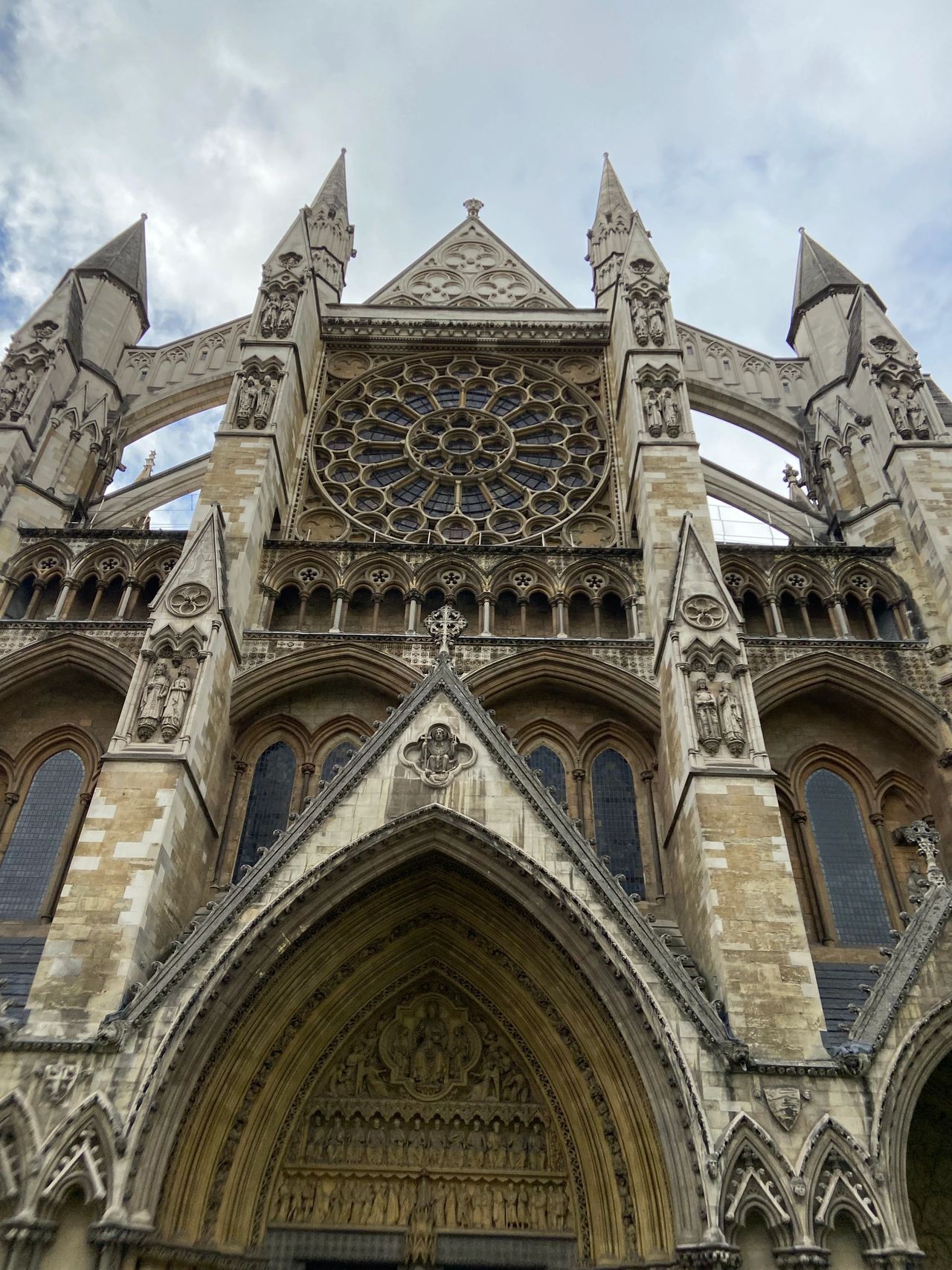
Trying to do a recap of a visit to Westminster Abbey is a daunting task. You find yourself facing the challenge of recapping over a thousand years of history. They bill themselves as “a royal church” but that is just beginning of all there is to see and do when you tour Westminster Abbey.
History of Westminster Abbey London
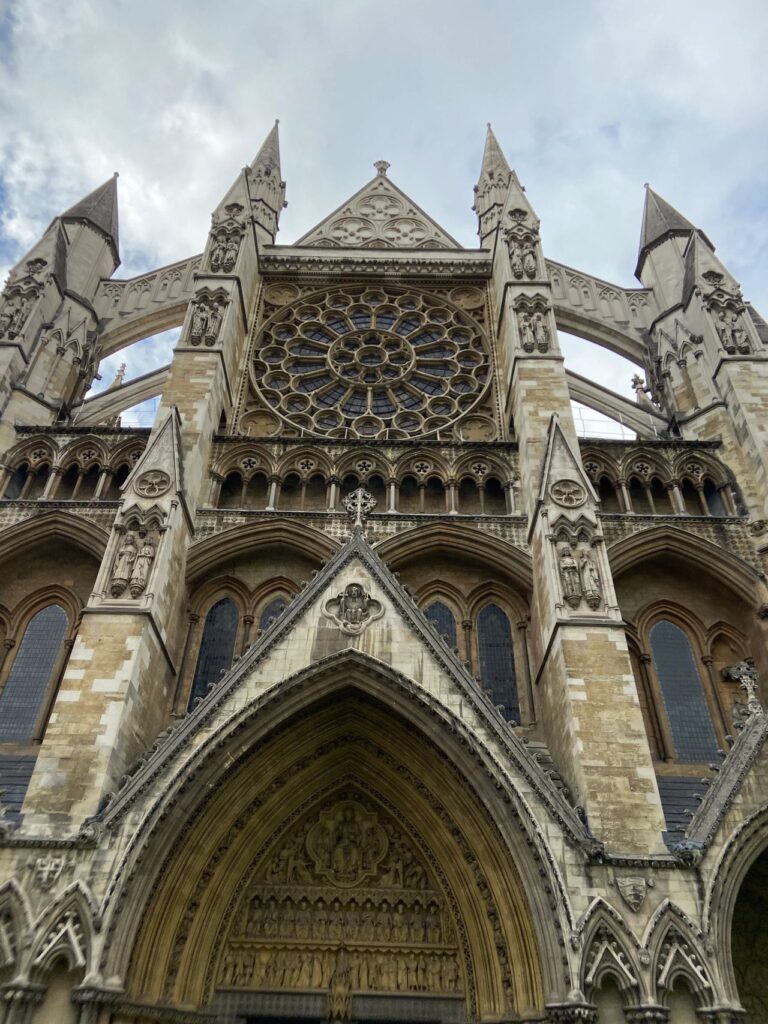
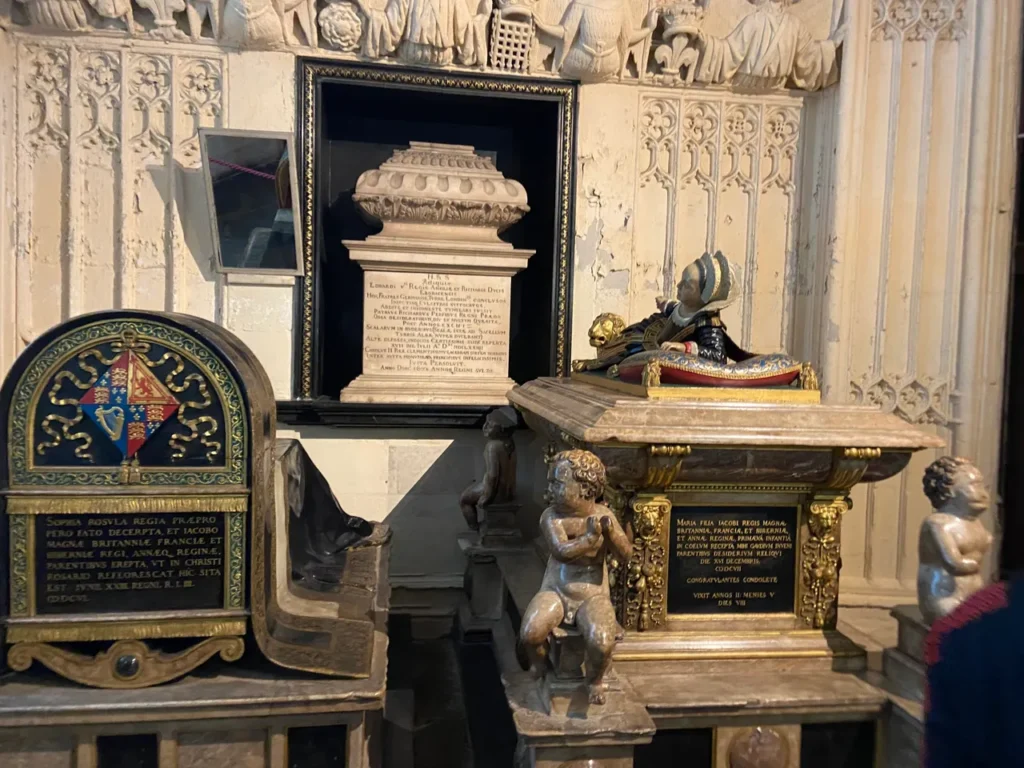
A World Heritage Site, a visit to Westminster Abbey in London can take a large portion of a day. The Abbey is the final resting place for several former Kings like Henry III, Edward II, Richard II and Henry V. Beyond that, that are over 3,000 history makers buried on the grounds and memorialized with statues, memorials and wall tablets displayed throughout.
The current building that makes up present day Westminster Abbey dates back to 1245. The site dates back almost 300 more years to around 960 when a Benedictine monastery was established on the site. Westminster Abbey has been the Coronation church for each British monarch, 40 in all so far dating back to 1066. The building is literally and figuratively packed full of history.
Getting Ready for Your Visit
With so much to see, you might consider doing your homework ahead of your visit. One pro tip to consider if you’re going to Westminster Abbey is make a list of the must see memorials and markers that you want to see prior to arrival. Westminster makes this homework easy and kind of fun. You can take a virtual tour online to get a sense of what you’ll have the opportunity to see, along with the beauty of this magnificent structure.
In our case, we were most interested in seeing the kings and queens along with a few other specific people. Touring with a purpose to get the most of your time during your visit is a must because you could easily spend a couple days wandering around and reading all the details. With so much to see in and around London, two days at a single destination is just not feasible for most people.
Historic Westminster Abbey’s website is a great resource for planning your visit. In our case, we also enlisted the help of a super tour guide for our time at the Abbey. Should you decide to go down a similar path, we strongly recommend you connect with a Blue Badge Tourist Guide. This certification requires that the guide is trained for over two years and must pass a test to gain such certification.
Our Blue Badge guide helped us plan on time at Westminster, asking questions about our interests in advance. From specific royal families to famous musicians, actors and scientists, we provided some specific names and interests which allowed him to map our time inside the Abbey efficiently.
Still an Active Church
First and foremost, Westminster Abbey is a church. They hold services there every day, and guests are welcome to join. The Abbey is also a library and research facility. They make available by appointment their historic collections of books, manuscripts, photographs and more.
As mentioned, The Abbey is also regarded as the royal church, and with such designation this site has been the witness to so much history over the centuries. Every Coronation ceremony for the British crown since 1066 has occurred at this historic site. One of the first things we saw on arrival inside was a historic piece that has played a part of every one of those Coronations – the Coronation Chair.
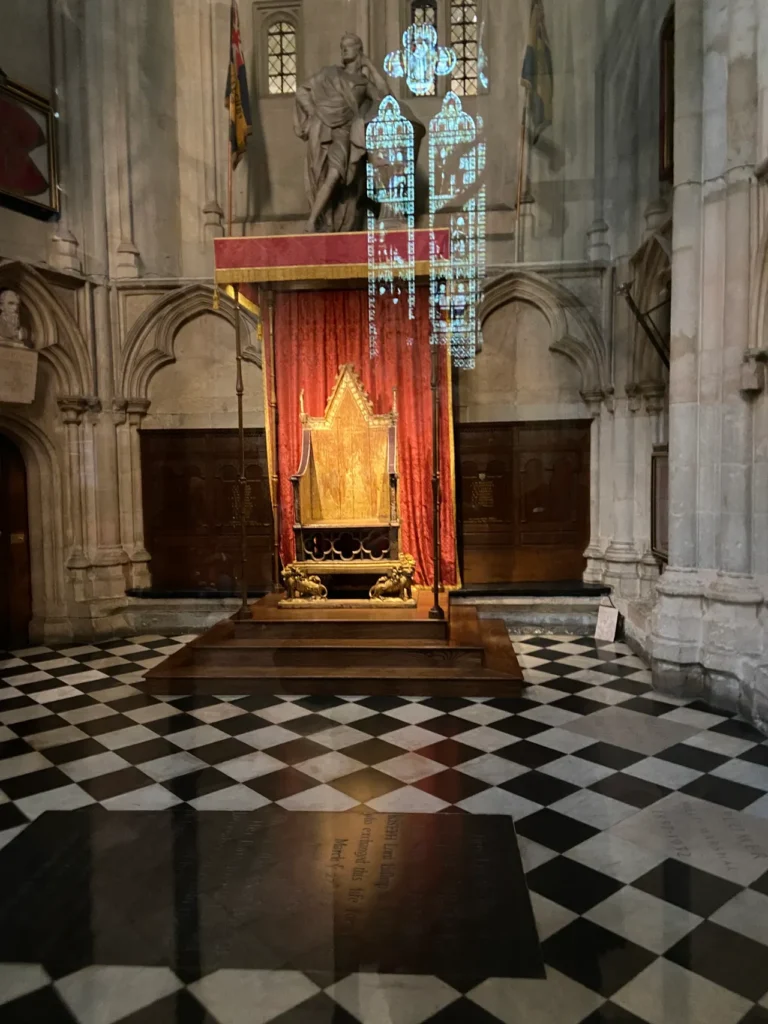
This beat up wooden chair, which looks highly uncomfortable, plays a big part with each Coronation. Throughout the ceremony, this is where the king or queen, including King Charles II, sits. It is behind glass, so not easy to see but if you look closely you can see where people have carved their names or initials into the chair and other graffiti from over the centuries.
Royal History of Westminster Abbey
In recent years, Westminster Abbey has been a familiar site for royal funerals for Queen Elizabeth II and her mother, as well as for Princess Diana. While we remember those because how recent they were and the fact we watched them on TV, the reality is those royal funerals are just the tip of the iceberg of what has happened at this facility. The first royal funeral took place in 1307, with the ceremony for Edward I and Eleanor of Castile.
The same can be said for royal weddings. Iconic weddings viewed by people from all around the world have been commonplace at The Abbey. Throughout history, royal weddings have taken place here, including Queen Elizabeth II annd Prince Phillip and future king Prince William and Catherine.
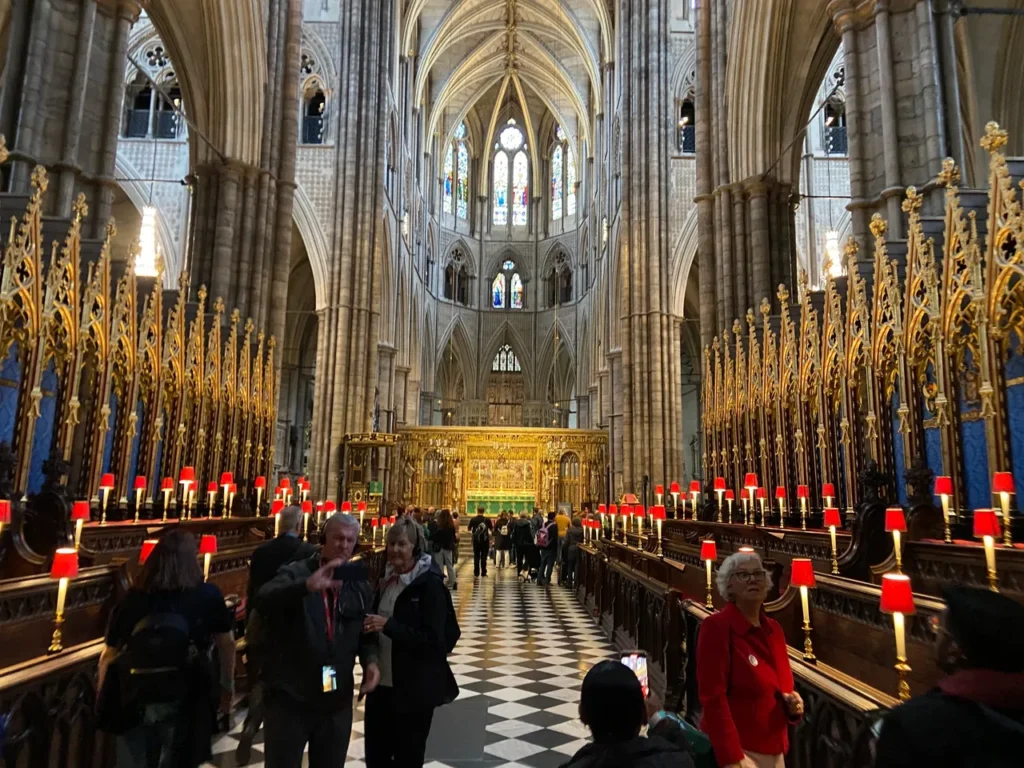
Royal graves are plentiful at Westminster. Recent deaths of the royal family have not been entombed here, with Queen Elizabeth II and Prince Phillip buried at Windsor Castle, about an hours drive outside of London. But the list is long of royals buried at Westminster. A total of 18 are enshrined there; Edward the Confessor, Henry III, Edward I, Edward III, Richard II, Henry V, Edward V, Henry VII, Edward VI, Mary I, Mary Queen of Scots, Elizabeth I, James I, Charles II, Mary II, William III, Queen Anne, and George II.
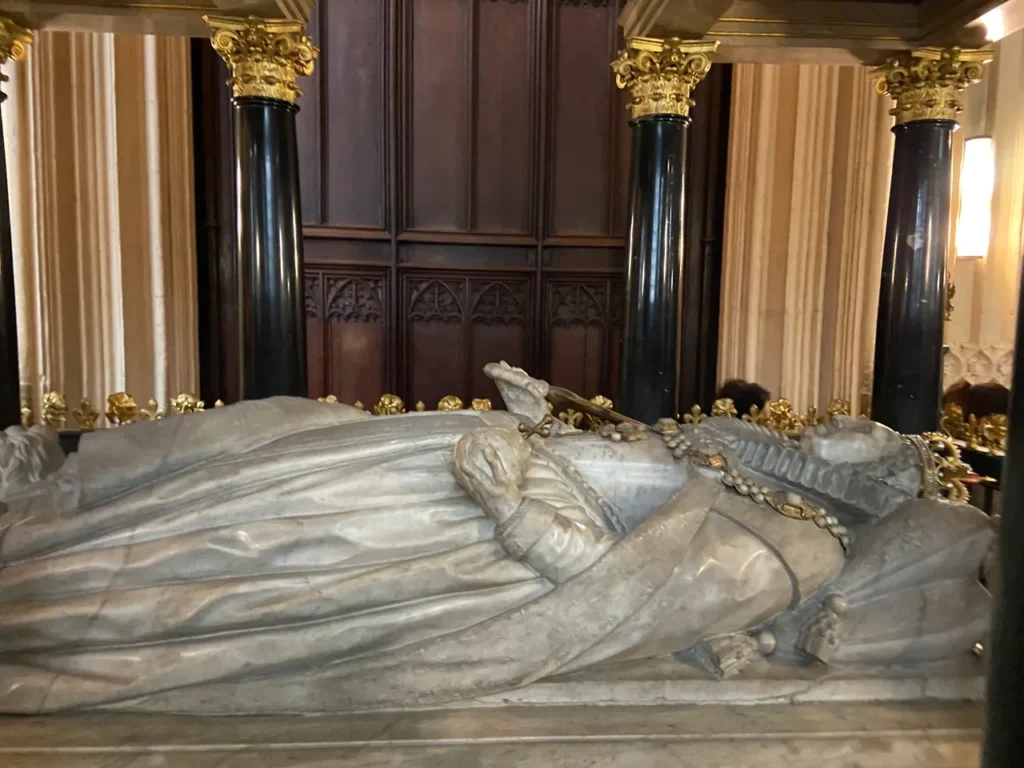
Famous Graves at Westminster Abbey
The graves and shrines that you can visit span well beyond the royalty. Famous people honored at Westminster Abbey is a who’s who of historic figures.
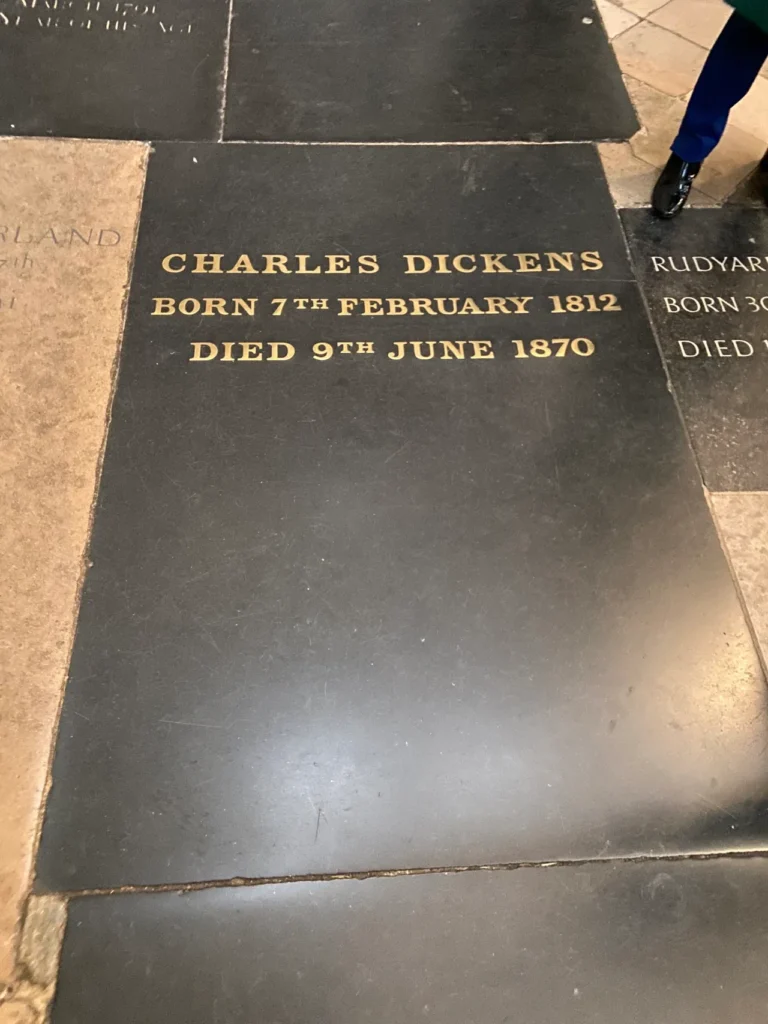
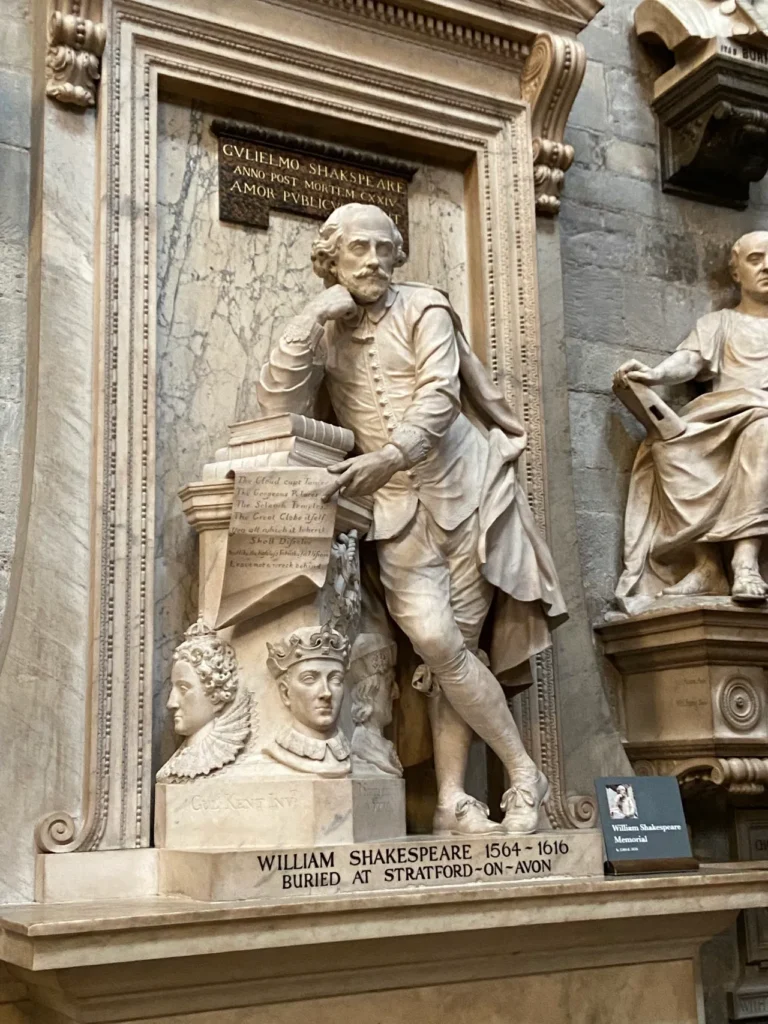
Literary giants can be found through, including Charles Dickens. Perhaps known best for his short story A Christmas Carol, Dickens was a longtime London resident and is buried at The Abbey. William Shakespeare is buried at Stratford On Avon, but his work and his life are memorialized at The Abbey too. Jane Austin is buried here, along with many other famous authors from throughout history.
Music and pop culture is also well represented at Westminster Abbey too. Among the many to consider visiting from this category include composer George Frederic Handel and acclaimed actor Sir Laurence Olivier.
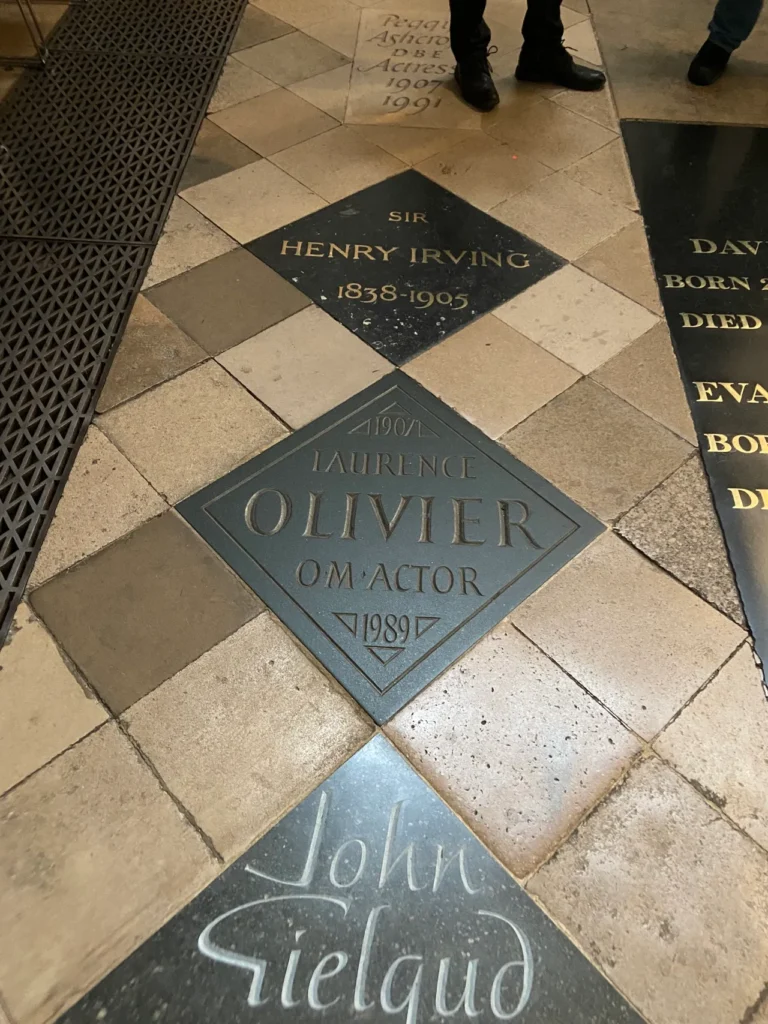
Come prepared to take tons of photos of famous people you’ve heard of your entire life, whose life and careers expand well beyond royalty.
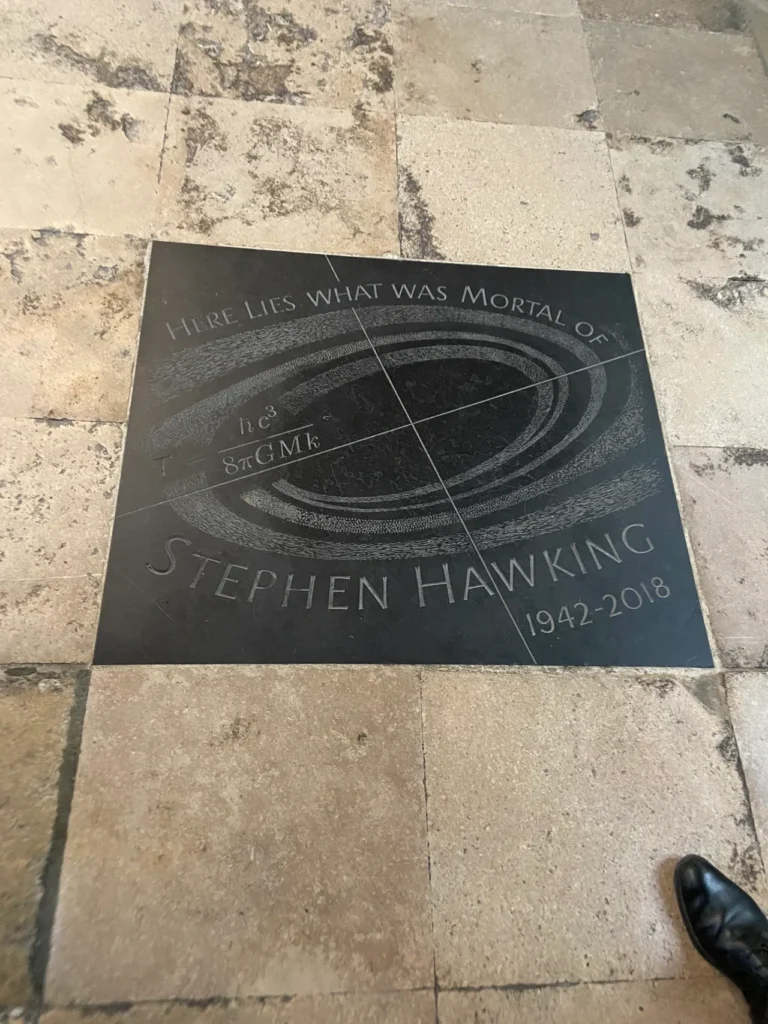
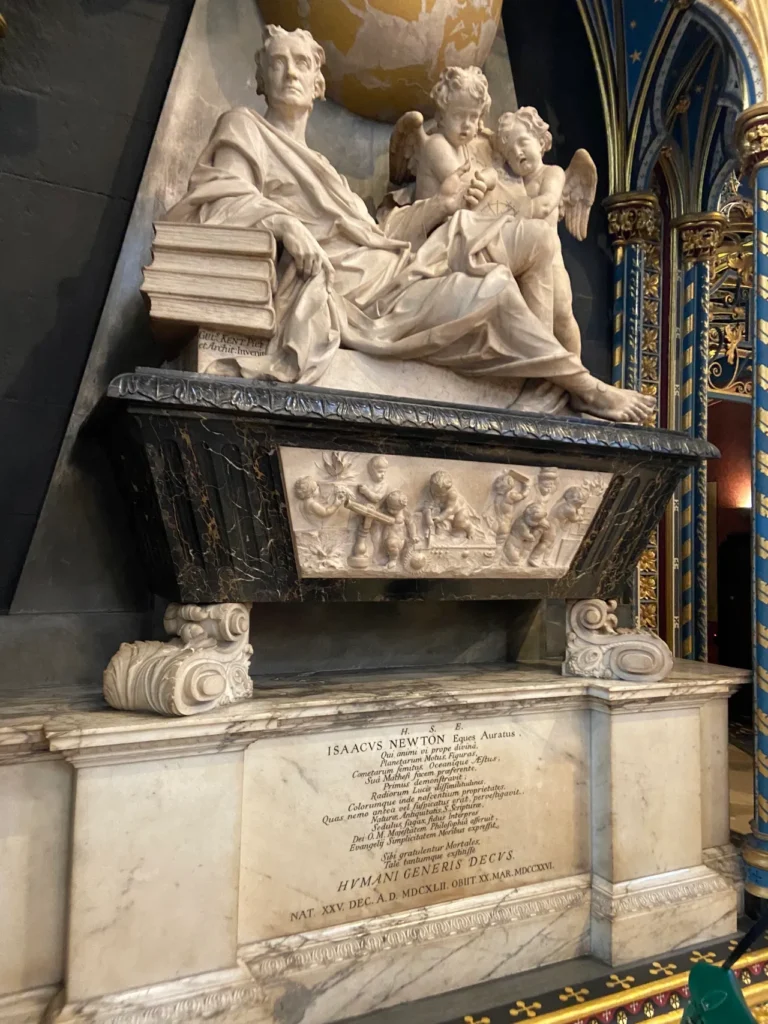
This was especially enjoyable, seeing side by side great scientists from centuries ago along with greats from the recent past. The brilliant work of Sir Isaac Newton is honored at his grave inside The Abbey. As fans of the American TV sitcom The Big Bang Theory, we were pleased to see a familiar marker. Physicist Stephen Hawking was buried at Westminster following his death in 2018.
Political Heroes Memorialized
Winston Churchill is not buried at Westminster Abbey, though his family was offered that distinction. Winston declined, reportedly saying that there are many people already at The Abbey that he didn’t get along with in life, and did not want to spend eternity with them. However, Churchill is remembered with a memorial. If you’re a Churchill fan, check out some of our other England trips where he is featured.
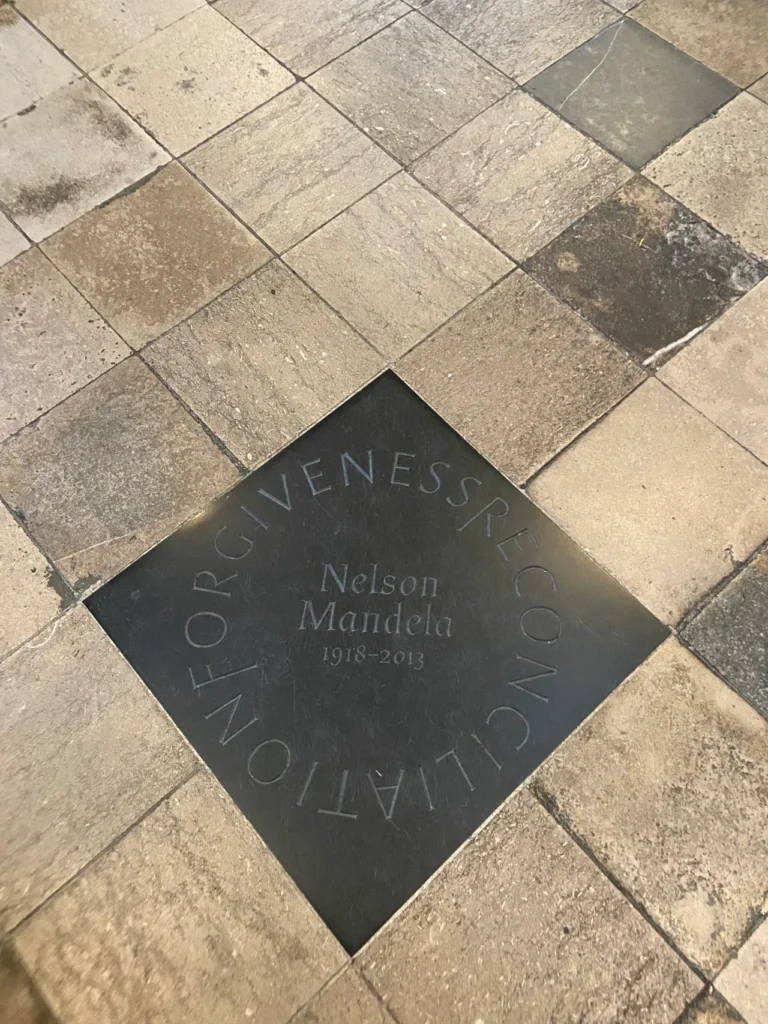
Another political figure memorialized at Westminster that we found interesting was Nelson Mandela following his passing in 2013. Mandela was an anti-apartheid champion in South Africa, renowned for his commitment to peach. His marker reads “Forgiveness Reconciliation”.
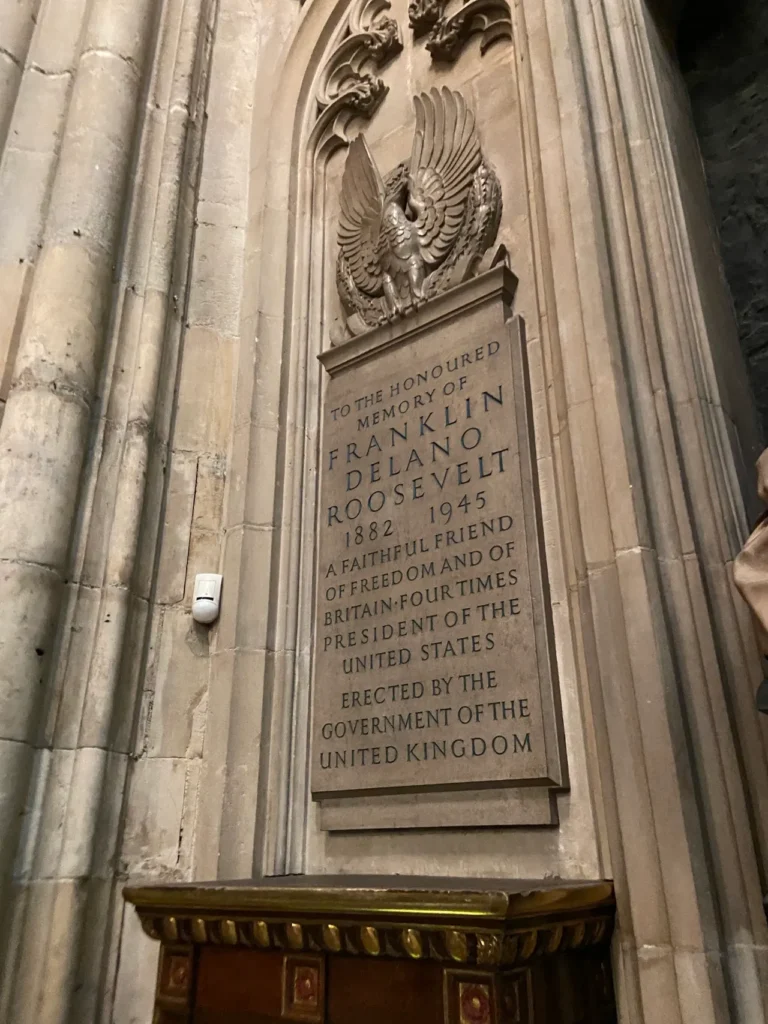
Of course the two world wars play a significant role in British history, and that is also very noticeable throughout Westminster. It is also very touching the reverence shown to the United States via a number of memorials devoted to the United States service men and women who served during those conflicts. There are several memorials worth seeing, including an impressive one to US President Franklin Roosevelt.
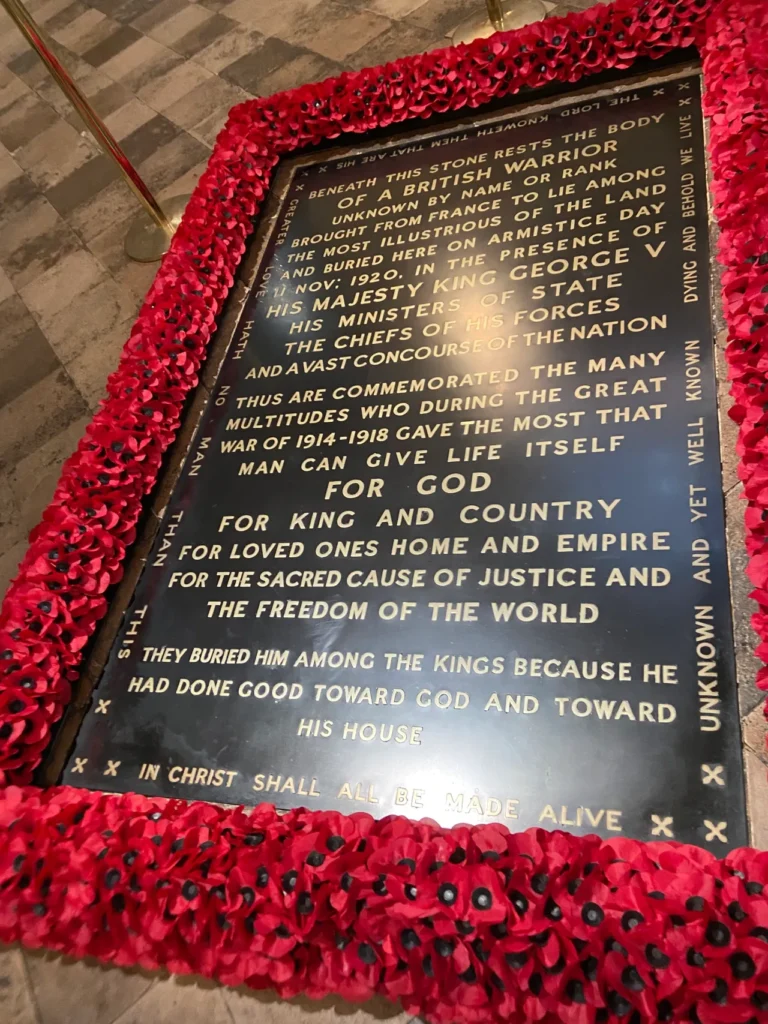
It might seem odd walking on grave markers – it did for us. It would be nearly impossible to navigate through Westminster if you didn’t. But there is one grave marker where you are not allowed to walk over. In fact, if you have a chance to watch past events held at Westminster, you will notice a black marker surrounded by red flowers that is blocked off even for coronations and funerals as sacred ground where people cannot pass.
Much like the reverence you see at the Tomb of the Unknown Soldier at Washington DC’s Arlington Cemetery, the same is true for its British counterpart at The Abbey. The Tomb of the Unknown Warrior has been in place since 1920, when a British soldier who fought in France during World War I was interred at this memorial.
With all that we’ve covered in this post, we’ve barely scratched the surface of what you can see and do at Westminster Abbey. We took a large number of photos, as literally everywhere you turn and look you see history.
We spent several hours at The Abbey, and could easily have spent much more time. If you’re considering a visit, plan ahead and that includes booking your tickets in advance. You will save yourself a lot of time by avoiding the walk up line for tickets, as obviously this is a large tourist attraction in Central London.
Getting there is easy, if you’re using public transportation. The closest subway stop is the Westminster Station, which is only a few minutes walk then to The Abbey.
There is so much history to see in London, one of our favorite cities. Need some ideas? Then check out our London Travel Guide for ideas, including our favorite deal in London, the Ceremony of the Keys at the Tower of London or Peter Pan afternoon tea at The Shard. If you’re exploring Europe, before to check out our travel tips for first time European travelers.