
Boston Travel Guide: History, Food, and Day Trips Worth Taking
Boston has pulled us back again and again, and this Boston Travel Guide is built from years of doing it right, and a few times doing it wrong. We’ve found that four or five days is the sweet spot for a proper visit, long enough to walk the history, catch a Fenway experience, eat your way through the North End, and still leave room for a day trip or two. That last part is what makes this Boston Travel Guide different from most. Boston isn’t just a city to check off, it’s a home base for exploring some of the best of New England, and we’ll walk you through exactly how we’ve done it.

Day Trips From Boston: Salem, Martha’s Vineyard, the Wayside Inn, and the Maine Coast
One of the best parts of any Boston trip, and a section of this Boston Travel Guide we think gets overlooked, is how much of New England sits within easy reach of the city. If you have a car for even one or two days of your trip, you can turn a great Boston vacation into a great regional one. Here are the four day trips we keep coming back to.
Salem: History, Hocus Pocus, and a Half Day Well Spent
Salem is the easiest day trip from Boston, and one of the most rewarding. It’s accessible by train, ferry, or car, and packed with history, witch trial sites, and a downtown built for wandering. We’ve covered it in full detail in our Salem day trip from Boston guide, including our suggested hour by hour itinerary, so if Salem is on your list, start there.

Martha’s Vineyard: A Ferry Ride Into a Different Pace
Our most recent Boston trip included a day out to Martha’s Vineyard, and it was a highlight, though it does take a little planning to get right. The first decision is where on the island you want to spend your time, since that determines which ferry you take and how your day gets built around the schedule.
We chose Vineyard Haven, mainly to visit the Black Dog Tavern, the clothing brand and the bar/restaurant both, and we’re longtime fans of both. Many visitors head to Edgartown instead, which has its own ferry route and its own reputation for charm. Whichever you choose, check the Steamship Authority ferry schedule before you commit to a day, since the return trip will shape how long you can actually spend on the island.

Once we were there, we spent our time walking up and down the streets, ducking into the shops, and soaking in a pace of life that feels a world away from downtown Boston. If you’re building a Martha’s Vineyard day trip from Boston into your own plans, give yourself the full day.
One more stop worth a shout-out on the way to or from the island: Falmouth, Massachusetts. It sits near the Woods Hole ferry terminal, and it’s worth a look on its own, with a lovely downtown, good shops, and restaurants and bars we’d happily go back to. If your ferry route runs through Woods Hole, build in some time in Falmouth rather than driving straight through.
The Wayside Inn: America’s Oldest Inn, With a Ghost Story or Two
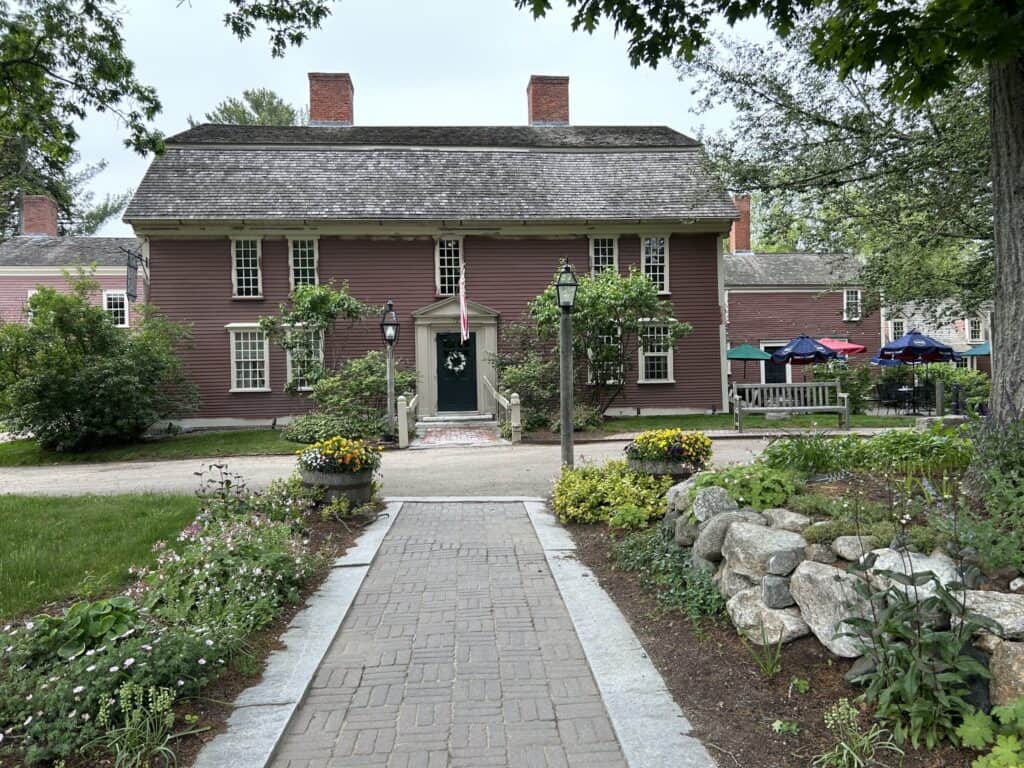
Not far outside Boston sits the Wayside Inn, America’s oldest operating inn, and a spot we’ve both visited for dinner and stayed overnight in one of the original rooms. It’s the kind of place where the history isn’t just told to you, it’s around you, in the low ceilings and creaking floors and, depending on who you ask, a ghost or two. We’ve written more about it in our Wayside Inn guide, but it’s worth calling out here as an easy addition to a Boston Travel Guide itinerary, whether as a dinner stop or a full overnight detour.
The Maine Coast: Small Towns Worth the Drive
If you have a car and an extra day, the drive up into Maine is one of our favorite ways to extend a Boston trip. Kennebunkport is the town we keep returning to, one of several quaint coastal towns that dot the Maine coastline north of Boston, each with its own harbor, shops, and slower rhythm. It’s a longer day than Salem or the Vineyard, so we’d only recommend it if your trip already stretches to four or five days, but for anyone chasing that classic New England coastal feel, it’s worth the drive.
Where to Stay in Boston: City vs. the Suburbs
Where to stay is one of the first decisions to make in this Boston Travel Guide, and it comes down to a real trade-off between cost and convenience. We’ve done both.
Staying in the suburbs, especially with a rental car, can cut your hotel costs noticeably compared to downtown rates. It works well if you don’t mind driving in and out of the city, though Boston traffic can be rough at times, more on that in the Getting Around section below.
Staying in town costs more, but it puts you close to the attractions and lets you take full advantage of Boston’s mass transit system. If your priority is walkability over dealing with a car, staying in town is worth the extra cost.
When to Visit Boston
We’re admittedly biased, but if you can plan around baseball season for your Boston Travel Guide trip, do it. There’s something about a Boston Travel Guide that wouldn’t feel complete without at least a mention of catching the Red Sox in town, though we know that’s not every traveler’s priority.
Winter is the season we’d steer most people away from. New England winters can be brutal, and a lot of what makes Boston great, walking the Freedom Trail, wandering the North End, day-tripping to the coast, is a lot less fun in the cold.
Summer and fall both bring heavy crowds, for good reason. Summer means school’s out and families are traveling, and fall draws people in for the foliage, which is genuinely spectacular in this part of the country. We’ve primarily visited in spring and summer ourselves, and both have treated us well. Fall is still on our list. We haven’t made it to Boston for foliage season yet, but it’s high on our own travel plans, and if you can time a trip for it, we’d expect it to be worth the crowds.
Bottom line: spring and early summer give you good weather without the peak-season crush, summer works well if you’re tied to school schedules, and fall is the trade-off of beautiful color for bigger crowds. Winter is the one stretch we’d only recommend for the most cold-hardy travelers.

Must-See History
Boston is one of the most historically rich cities in the country, and if you only do one thing here, walk at least part of the Freedom Trail. You don’t need to cover all two and a half miles in one go, even a partial walk puts you face to face with the Revolutionary War history that shaped the whole country. We’ve written a full guide to walking the Boston Freedom Trail, including our own two ways of doing it, a quick guided overview and a full day deep dive, so if history is a priority on your trip, start there for the details.
Beyond the Trail itself, Boston rewards slowing down. The burying grounds, the historic churches, the statues tucked into small squares, all of it adds up to a city where you’re rarely more than a block or two from something worth stopping for. This is a big part of why we keep this Boston Travel Guide anchored in history first, food and sports second, even though those get their own sections too.
One stop that’s been on our list for next time and hasn’t made it in yet is the John F. Kennedy Presidential Library and Museum. We haven’t visited ourselves, so we won’t pretend to speak to it firsthand, but it’s a well-regarded piece of Boston’s presidential history and something we plan to check off on a future trip.
Boston Sports Culture: Fenway Park and Beyond
Boston is one of the best sports towns in the country, home to teams in the NFL, NHL, NBA, and MLB, and that kind of concentration is rare. Whatever your sport, there’s a good chance Boston has a team worth building part of your trip around.
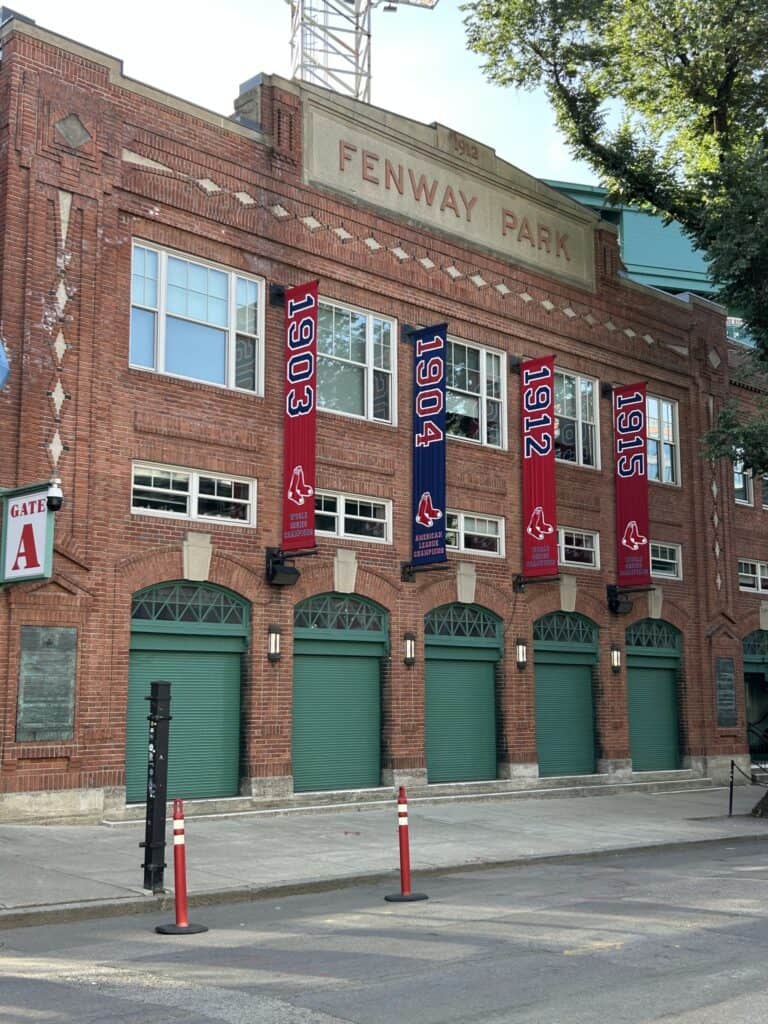
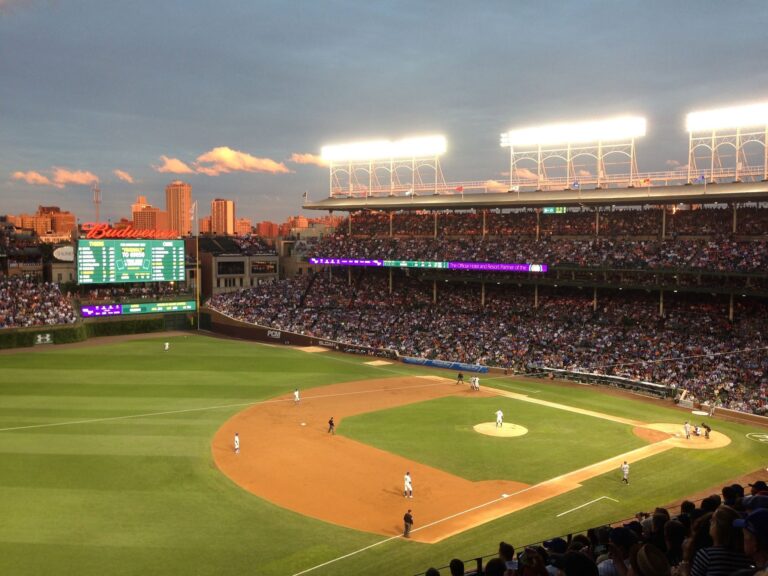
For us, the standout of our most recent trip was the tour of Fenway Park. Even if you’re not a baseball fan or a Red Sox fan specifically, Fenway is a cultural icon, one of the oldest ballparks in the country, and walking through it gives you a sense of history you don’t get from a modern stadium. The tour runs year round, so you don’t need the Sox to be in town, or even in season, to get a real Fenway experience. That makes it one of the easier must-dos to fit into a Boston Travel Guide itinerary no matter when you’re visiting.
If your trip does line up with baseball season, we’d call that the ideal time to visit, catching a game at Fenway is something every baseball fan should experience at least once. But the tour alone is enough to make Fenway worth the stop regardless of the calendar.
Where to Eat: North End, Union Oyster House, and the Best Lobster Roll
Boston is a genuinely good food town, and nowhere proves that more than the North End. This is Boston’s Italian neighborhood, and a meal here is non-negotiable in any Boston Travel Guide worth its salt. You don’t even need a reservation to start enjoying it, just walking the streets and taking in the smell of garlic and simmering sauce drifting out of every restaurant door is an experience on its own. Smells are free, after all.
No North End meal is complete without dessert, and we’ve never been steered wrong at either Mike’s Pastry or Modern Pastry, the two North End institutions that have been going head to head for years. We put them side by side in our Mike’s Pastry vs. Modern Pastry post, so if you want the full breakdown before you choose a line to stand in, that’s the place to look. Short version: you really can’t go wrong with either.

For a taste of Boston history along with your meal, the Union Oyster House is worth a visit, it’s the oldest continuously operating restaurant in the United States. We’ve eaten there and enjoyed it, though in the interest of honesty, there are plenty of seafood spots around Boston that match or beat it on food quality for less money. What you’re paying for at Union Oyster House is the history as much as the meal, and for us, that was worth it at least once.
And no trip to Boston or the surrounding coast is complete without a lobster roll. Our advice: order it warm, not chilled. A warm, butter-drenched lobster roll beats the cold, mayo-based version every time, and once you’ve had it that way, it’s hard to go back.
One note on cost. Boston’s tours and attractions are reasonably priced, but food, especially the New England classics like Union Oyster House or a good lobster roll, can run expensive. Budget accordingly, especially if you’re planning to eat your way through several of these must-tries in one trip.
Getting Around: Mass Transit and Parking
We’ve used Boston’s mass transit system on multiple visits, and it’s one of the easiest big-city transit systems we’ve navigated. It’s not intimidating the way it can feel in some other cities, the T is straightforward enough that first-timers pick it up quickly, and it’s a strong argument for staying in town rather than the suburbs if walkability and convenience matter to your trip.
That said, on our most recent visit we had a car, and Boston traffic tested our patience more than it has in the past, especially coming in from the west. Whether that’s the city’s traffic getting heavier or our own patience getting shorter, we’re not entirely sure, but next time we’re looking at a hotel that lets us rely on mass transit instead.
If you do bring a car, plan ahead. We determined where we’d park and when, and prepaid for those spots before the trip, which saved us some money and took a good bit of stress out of each day. Boston parking isn’t the kind of thing you want to figure out on the fly.
Our take: if your plans are mostly within the city, mass transit will serve you well and save you the parking headache entirely. If day trips like Salem, Martha’s Vineyard, the Wayside Inn, or the Maine coast are part of your Boston Travel Guide itinerary, you’ll want a car for at least part of the trip, and in that case, a little parking planning goes a long way.
Practical Tips and FAQs
Is Boston expensive to visit? A few last things worth knowing before you build your Boston Travel Guide itinerary. Tours and attractions in Boston are reasonably priced, but food can add up fast, especially if you’re chasing the New England classics. Budget for food more than you might for a typical city trip.
What’s the weather like? Boston runs to extremes depending on the season, from brutally cold winters to sweltering summer heat. If a day trip to the coast, like Martha’s Vineyard, is part of your plans, pack layers. There’s often a real temperature difference between downtown Boston and the coastline.
Should I rent a car? See the Getting Around section above, it depends on whether your plans stay in the city or reach out to the day trips.
How should I order my lobster roll? Warm, not chilled. See the Where to Eat section above for why.
How many days should I plan for? For us, four to five days is the sweet spot, enough time to walk the history, catch a Fenway experience, eat through the North End, and still fit in a day trip or two. Shorter trips are doable, but you’ll have to pick and choose.