Tower of London Planning Guide: How to Maximize Your Historic Visit
We have been blessed to visit some amazing historic sites during our travels. From tradition-rich venues like Wrigley Field to watch baseball, to in-depth tours of Washington DC to solemn battlefields like Gettysburg, we have packed a lot of history into our trips over the years. But there is no single location that has packed as much history into it as the Tower of London has, and it remains one of our favorite sites. Here is our Tower of London planning guide to help you make the most of your visit.
On our first visit to London, the Tower was the most anticipated stop we had planned. The rich history of the Tower of London and the many stories we’ve heard throughout history classes make it a very intriguing place. And the actual visit does not disappoint! Located in the heart of the city along the banks of the Thames, it is a great location to start off from as you plan a day of sightseeing around London.
Traveling around London, using the subway system is the quickest and by far the easiest way to navigate. The Tower of London is an easy walk from Tower Hill station, which is connected via the District and Circle lines.
History of the Tower of London
The Tower of London is a UNESCO World Heritage site, filled with thousands of years of history. The Tower is ideally located to defend the center of London, which is what William the Conqueror saw back in 1066 AD.
Initially a fortress, from there the history expanded to include being the home of the Royal Mint, the Royal Armories, the home to the Crown Jewels, countless trials with torturing and executions, a prison, and even a zoo. The look and design of the Tower was meant to be a working fort, but also to be an imposing structure to evoke fear in potential attackers.
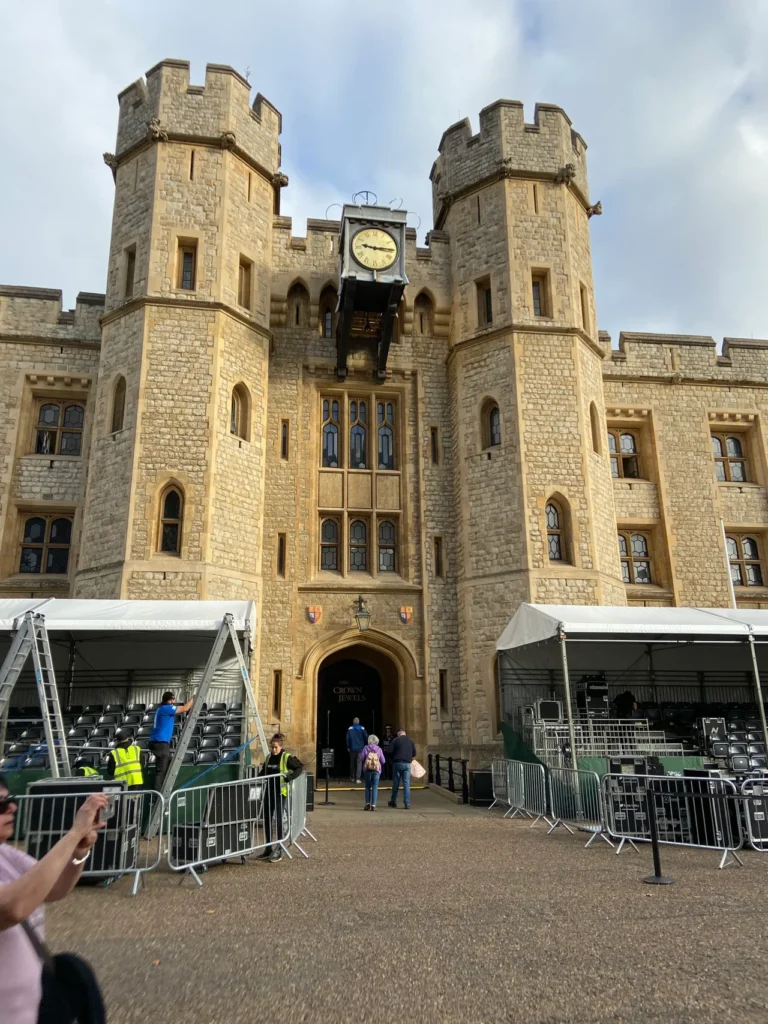
Initial construction took about 20 years to build. The complex continued to be updated over the centuries. King Henry VIII and Edward I did large expansions, adding walls and additional towers, and a self-contained city inside a mote.
There are several permanent displays that you can see during your visit to Tower of London. You can visit the Tower Mint, where the nation’s money was created for years. The site is also home to an impressive display of arms and armor, which were created and stored there up until the 1800s.
Royal Tragedies
Much of the history surrounding the Tower of London is based on royalty, with many infamous stories that revolve around tragedy and death. Many of the stories you’ve heard about in history classes or seen on various TV mini-series and movies center around events at the Tower of London.
Some of the earliest stories of tragedy start during the War of Roses. King Henry VI was murdered at the Tower in 1471. A dozen years later, the children of Edward IV vanished. Known as the Princes in the Tower, they were presumed murdered. Skeletal remains were later found in 1674 and were re-examined in 1933 where it was determined that the remains were of two boys roughly ages 12 and 10. That is the exact age of the princes that vanished nearly 450 years prior.
Probably the best-known story of royal tragedy is the stories surrounding Henry VIII. His wives were accused of adultery and treason and met their fate at the Tower by being imprisoned and then executed. Anne Boleyn and Catherine Howard each met their fate with the blade of an executioner on the grounds of the Tower of London.
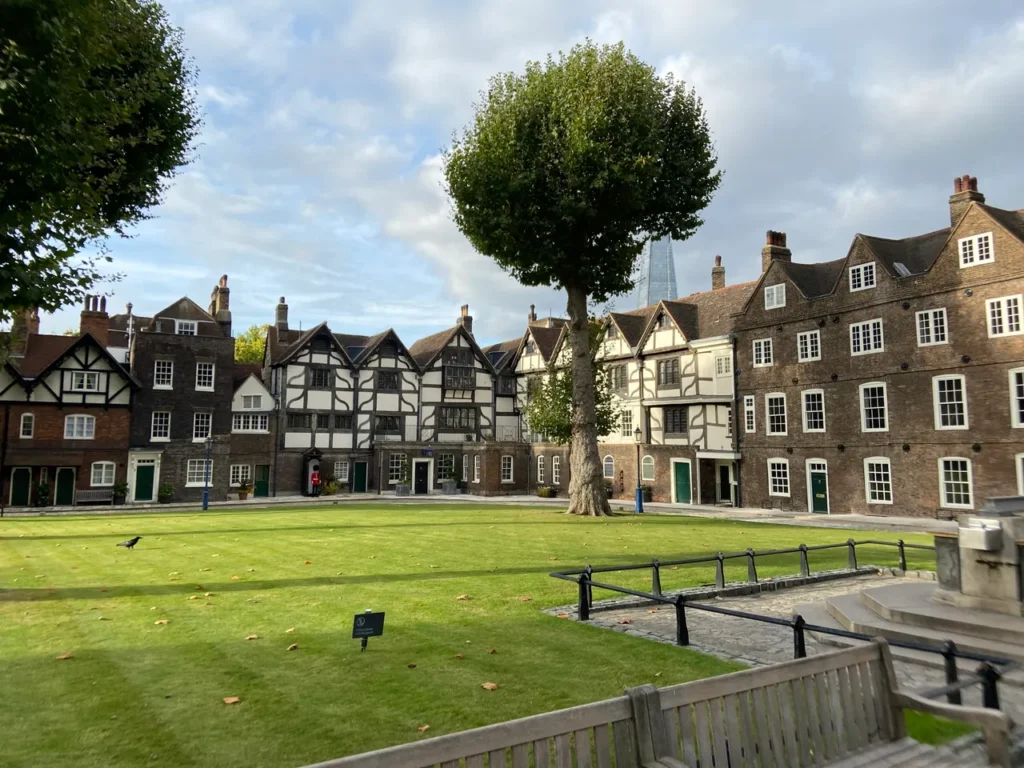
Lady Jane Grey was also a queen of England who suffered a sudden and tragic end of life at the Tower. She was only queen for nine days, as a part of an unsuccessful bid to prevent Mary Tudor from becoming queen.
Imprisonment, Torture and Execution
The Tower of London has a dark history. The amount of imprisonment, torture, and execution spans from its earliest days into the 20th century. The area surrounding the Tower of London has witnessed 100+ executions. The final execution at the Tower was August 15, 1941. Josef Jakobs, a captured German spy, was captured after parachuting into England during World War II.
Within the walls of the Tower are several torture devices on display. It is amazing how horribly creative captors could be in dreaming up these devices. Physical torture was a mainstay at the Tower during the 16th and 17th centuries. The main goal was not to inflict pain. Rather it was used to gather information or to break a prisoner’s resolve.
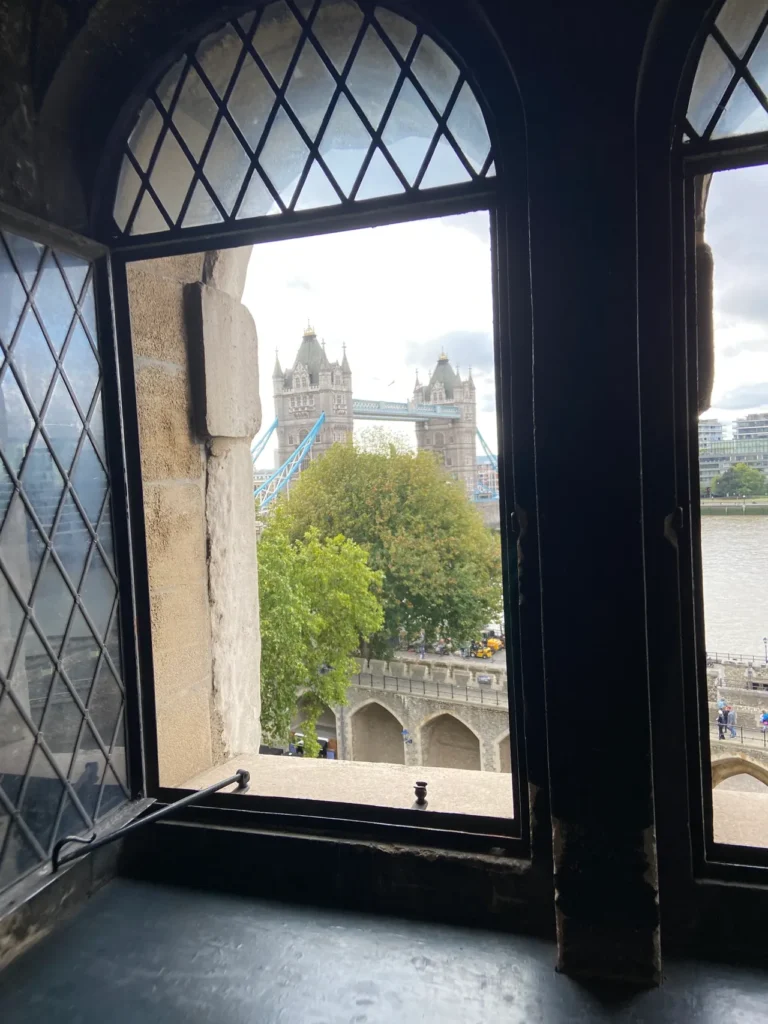
“Sent to the Tower” is a phrase that has been used since the early days of the structure. The first prisoner of the Tower was Ranulf Flambard. He was also the first person to escape the Tower. In 1101, the Bishop of Durham climbed through one of the White Tower’s windows with a rope smuggled into him via a gallon of wine.
Another notable former prisoner of the Tower includes Princess Elizabeth I back in 1554. She did not suffer, living in comfort in her mother’s former apartment. Eventually released, she returned a few years later to prepare for her coronation.
Roman Wall
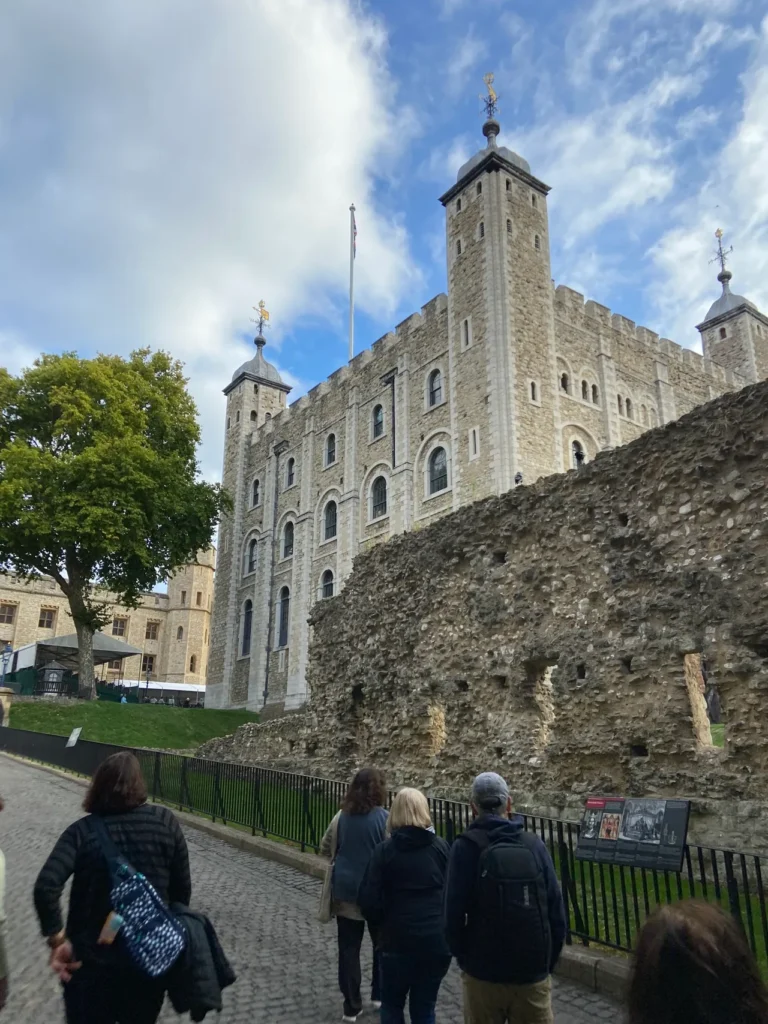
Roaming around the United States, you might run into a building that is a couple hundred years old, and think about how long ago that was. One of the wonders of London is roaming the streets and finding structures that have been around a thousand years ago – or more. Such is the case with a section of the Roman wall which is a part of the Tower of London.
The city of London took on enough importance that the Romans decided to fortify it with a protective wall back in AD200. Construction of the Tower itself began with the efforts of William the Conqueror dating all the way back to AD1066 with the erection of the White Tower. That gives you some perspective on the longevity of the Roman wall, constructed over 800 years earlier than the Tower of London itself.
Resident Ravens
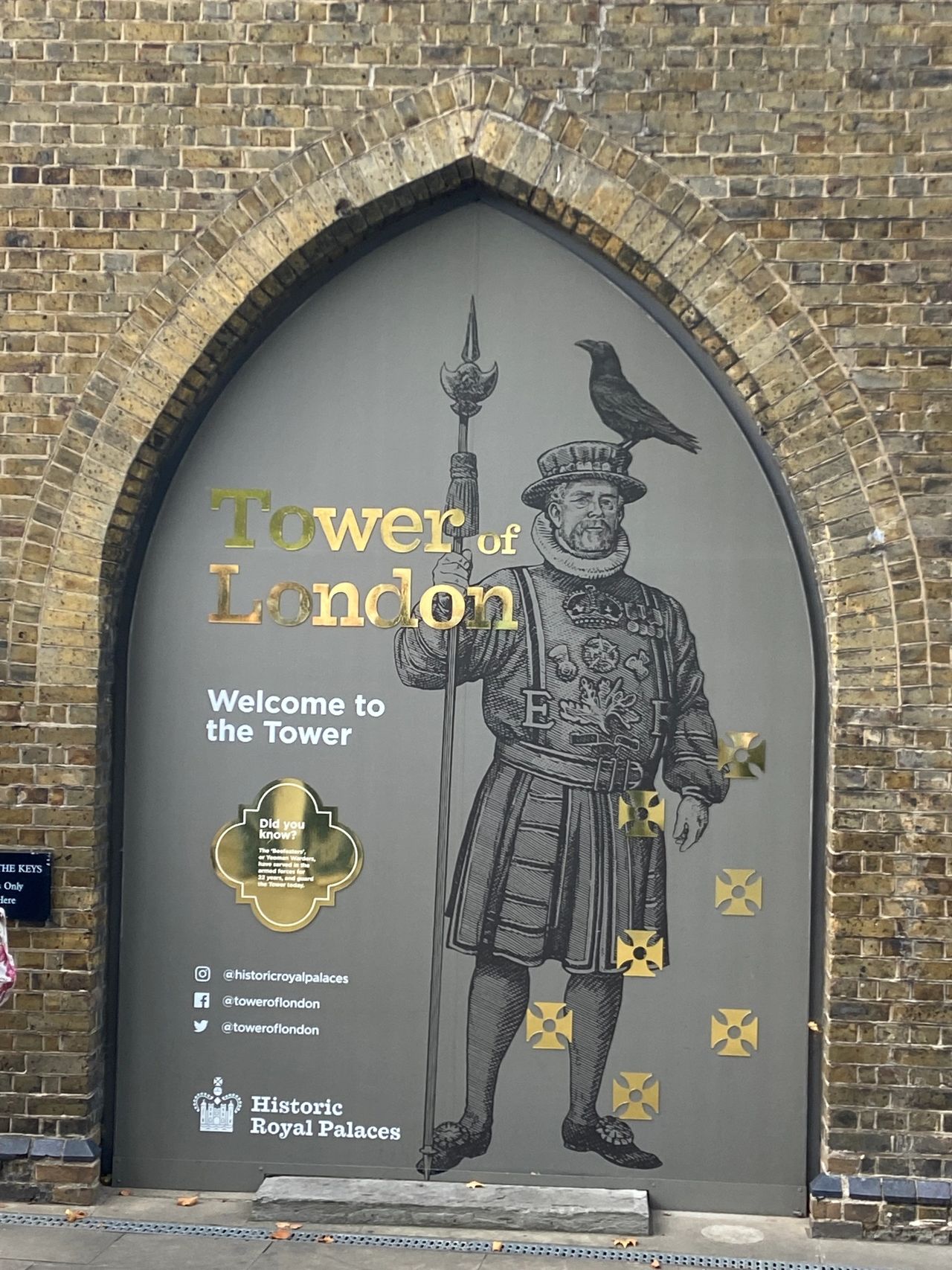
The ravens that are housed at the Tower of London play an important part in the history of the site. According to legend, these famous blackbird residents are key to the survival of the monarchy. Charles II was the first to insist on having the ravens in residency, believing that the tower itself would fall if they left. To this day, there is a Beefeater on staff in charge of handling these birds. They are free to roam the grounds, thanks to their clipped wings. They are fed well and kept in cages at night for protection.
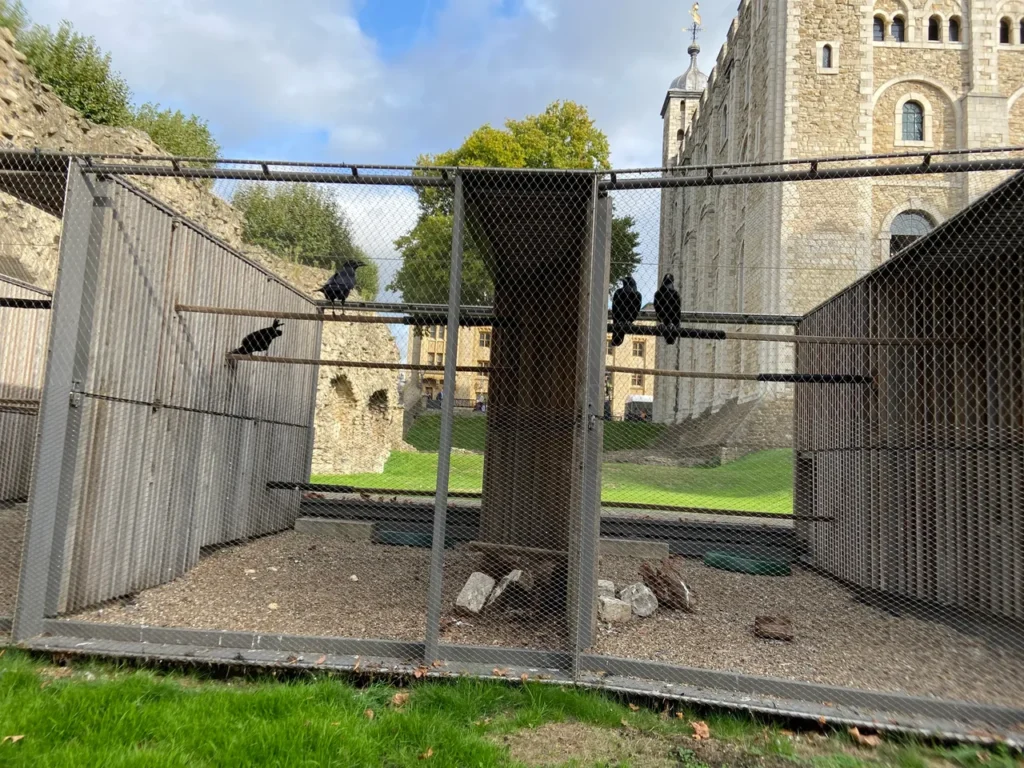
Beefeaters
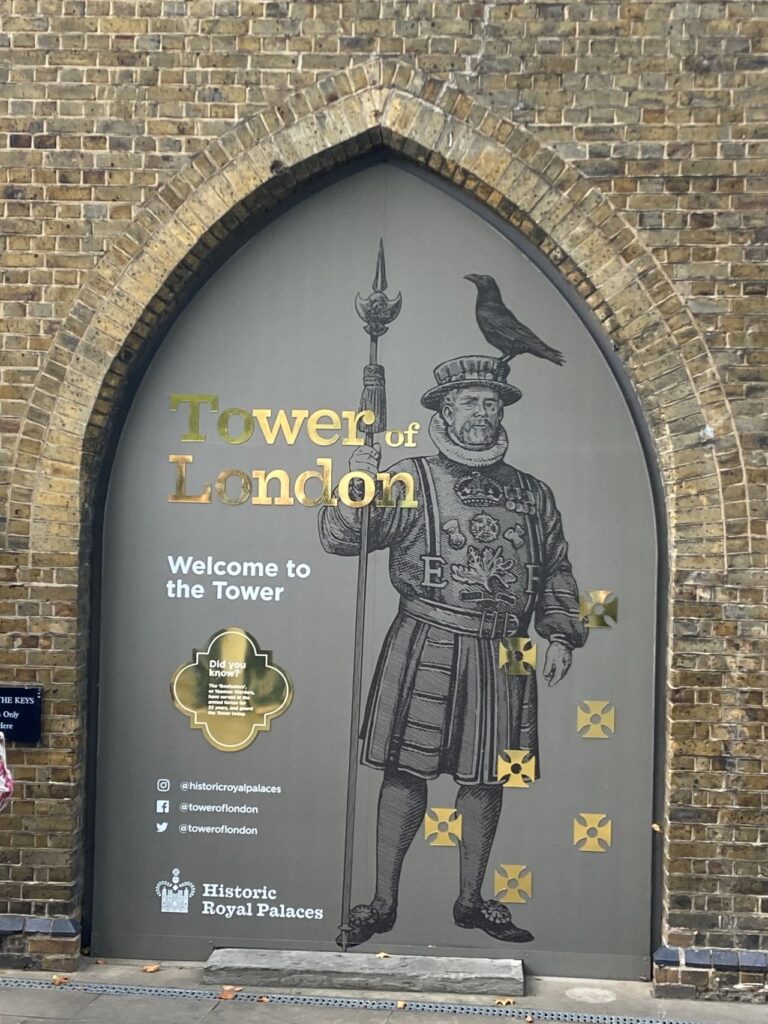
Yeoman Warders, known as Beefeaters are the protectors of the Crown Jewels housed in the Tower of London complex. The guards have been in place protecting the royals since the time of the Tudors.
Beefeater was always a brand of gin. But after time at the Tower of London, we now know the true origin. The Yeoman Warders were the protectors of the king and royal family. The king needed to make sure they were loyal and strong servers, and providing them with beef was one way to make that happen. A chance to eat beef was uncommon back in the day, so making part of the unit’s pay a ration of beef was valuable. The guards could either eat their ration or sell it. They would be strong and well paid.
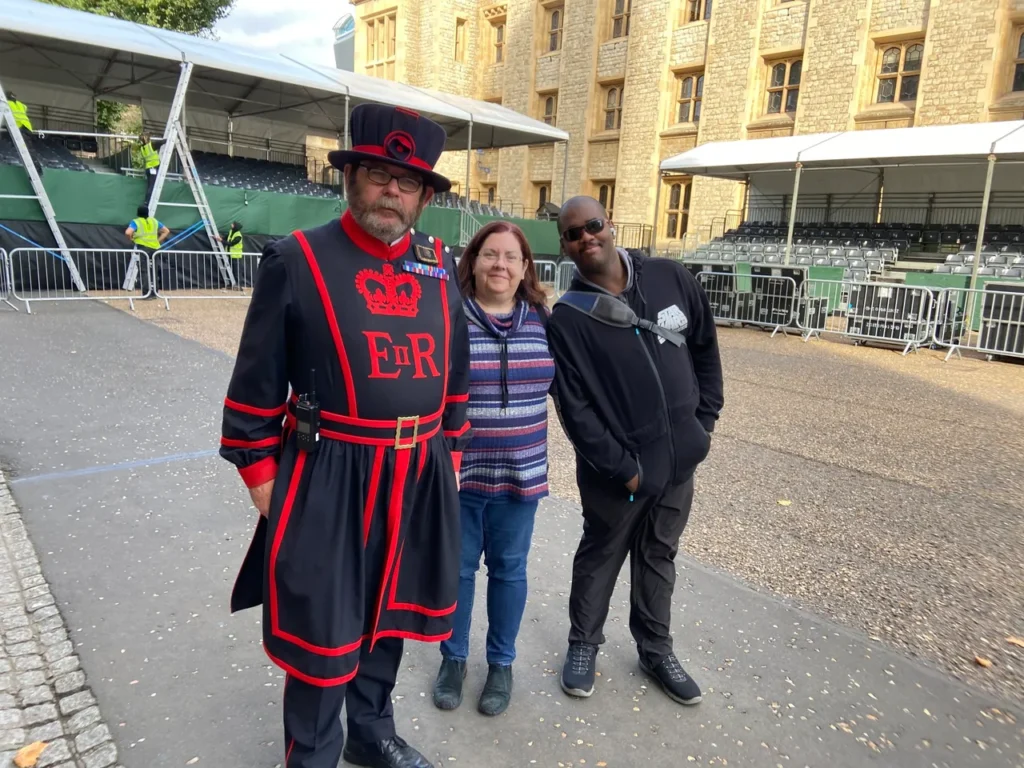
Yeoman Warders are an exclusive group of 32 selected from the UK’s military. The history of the group known as “Beefeaters” dates back over 1,000 years.
They are the monarch’s bodyguards who would be at the side of the King to protect him everywhere he traveled. During Henry VIII’s reign, they became the official protectors of the Tower of London.

Today’s group of Yeoman Warders need a minimum of 22 years of military service. If selected to serve, they move to the Tower with their family to live in special residences. What an amazing experience to live at the Tower of London. The Beefeaters even have their own pub on the grounds of the Tower. Unfortunately, it is not open to the public.
Ceremonies available to observe
“Halt! Who comes there?” is a familiar phrase that you’ve no doubt heard many times. Its origins are at the tower, and a part of the closing ceremonies at the Tower of London. Every night for over 700 years, a precise ritual occurs, known as the ancient Ceremony of the Keys, where the outer gates of the Tower are locked for the night. Once secure, the keys are delivered to the monarch’s representative in the Tower, the Resident Governor. Check out our Ceremony of the Keys review and other London travel options.
Each morning, the opening ceremony officially opens the Tower of London. Each morning, the Duty Yeoman Warder along with a military escort march to open the Byward Tower and the Middle Tower. Once completed, the public is then allowed to enter the grounds.
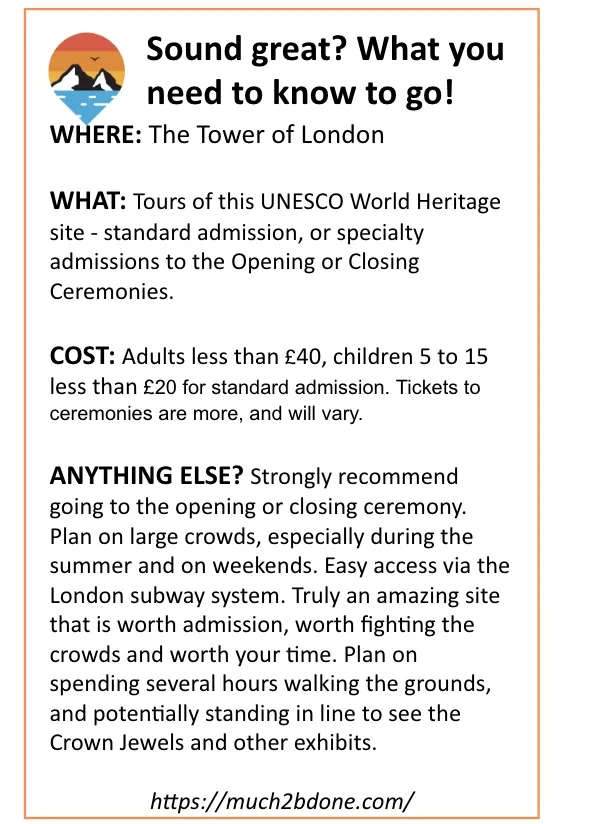
Visiting the Tower of London is special, and a must-visit location if you get to London. The best way to visit Tower of London, if possible is to time your visit to include one of the special ceremonies. You will need to plan ahead to attend an opening or closing ceremony.
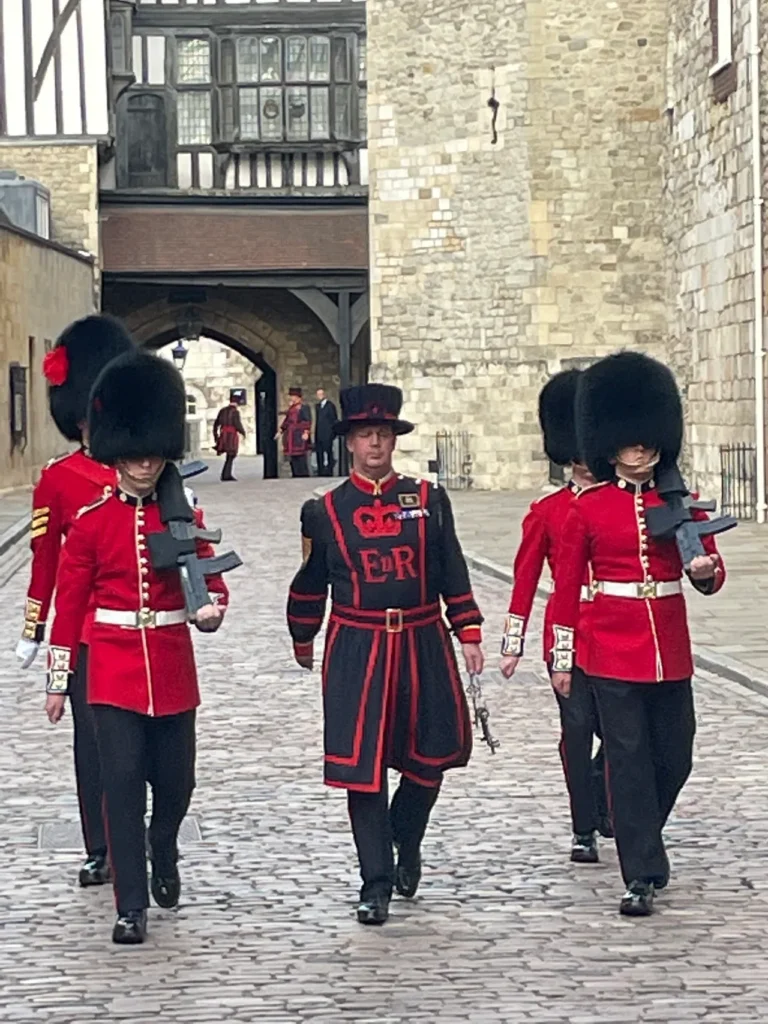
In addition to the opening and closing opportunities, you can check out the Ceremony of the Word. This doesn’t require a special admission and takes place at 3PM each day. An Officer of the Guard and escort march by the Byward Tower to collect the secret password of the day.
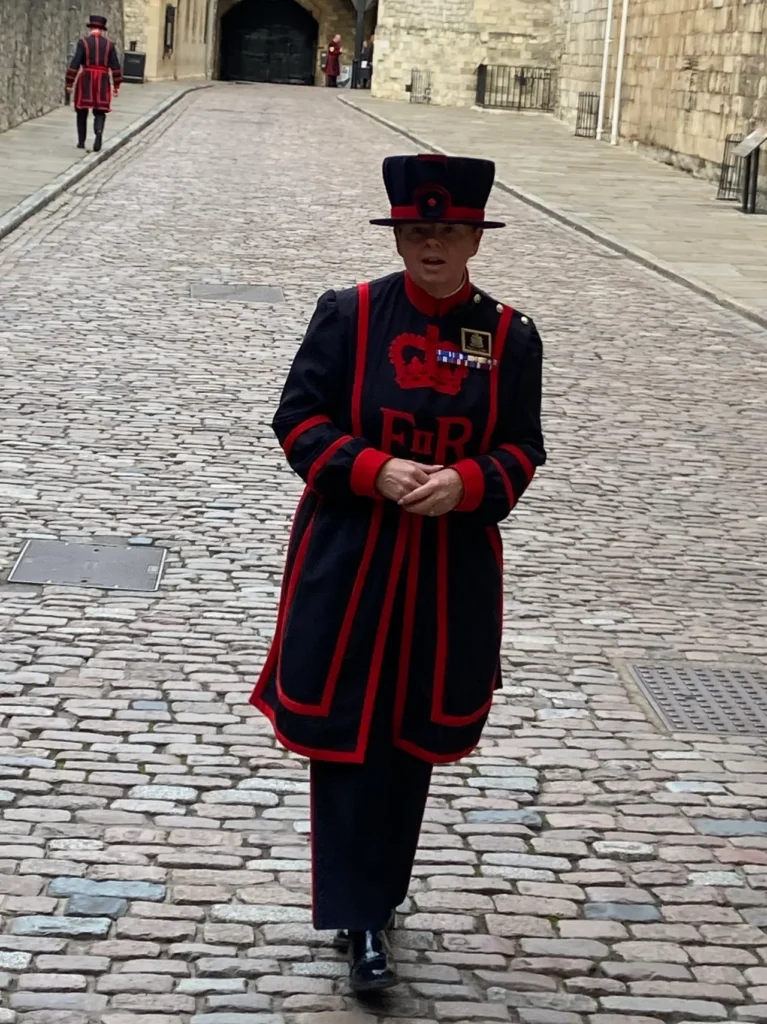
Tower of London Planning Guide
Crowds during peak times of the year can be big at the Tower of London. Getting your tickets ahead of time is strongly encouraged. That is especially true for a special ticketed event at the Tower, like opening and closing ceremonies. You can prebook a specific time slot online. If you choose to not do a guided tour, audio guides in a choice of languages are available to purchase with your ticket.
Admission to the Tower of London includes the Crown Jewels, the White Tower, the Chapel of St Peter ad Vincula, Battlements, Medieval Palace, Bloody Tower, Torture at the Tower exhibition, Fusiliers Museum, and Royal Mint exhibition.
Yeoman Warder tours are available, starting every 30 minutes. These tours cannot be booked in advance. While they are not guaranteed, the Beefeaters do what they can to accommodate everyone.
There are special tours available based on the time of the year too. The Tower Twilight Tour is a Yeoman Warders lead exclusive after-hours tours of the Tower of London. On the tour, you will hear tales of some of the gruesome sights and stories about the Tower.
If you are thinking of visiting, or if you’ve visited and want to learn even more about this historic location, start off by watching a little TV. Our appetite for Tower was wetted by watching the documentary Inside the Tower of London, where the first season is free on Amazon Prime.
Planning a London holiday? Be sure to check out our London Travel Guide with our first hand accounts and tips for a great trip, including a special Peter Pan themed afternoon tea. If you’re exploring Europe, before to check out our travel tips for first time European travelers.